Stress Management
Resources
Style
Planning
View All


If you’ve ever been told “everything looks normal”-yet nothing feels normal at all- you know how deeply frustrating those words can be.
You watch friends, coworkers, even strangers announce pregnancies that seemed to happen effortlessly. Meanwhile, you’re tracking, testing, timing and doing everything under the sun… and still, nothing. It’s exhausting. It’s isolating. It can make you feel like you’re somehow missing something obvious.
You’re not.
So many couples reach this same breaking point after hearing that familiar line, “everything looks fine.” It can feel like the end of the road- like the doctors have checked their boxes and moved on, even though your gut tells you something isn’t adding up. Because if everything were truly fine, this wouldn’t feel so hard.
Hormone testing can be incredibly helpful. It gives us a valuable snapshot of what’s happening beneath the surface, at the microscopic level. But here’s the truth, hormones don’t tell the whole story.
Fertility isn’t controlled by a single switch or dictated by hormones alone. It’s a complex, multi-factorial system influenced by far more than any one lab result can capture. When something feels off, it’s worth looking deeper- because “normal” doesn’t always mean optimal, and it certainly doesn’t mean your experience isn’t valid.
What does “normal” hormone blood work actually mean?
When it comes to fertility, hormones are the behind-the-scenes directors calling the shots. But which hormones actually matter- and when should they be tested? Let’s break it down.
Key players we look at for fertility include follicle-stimulating hormone (FSH), luteinizing hormone
(LH), estradiol (E2), anti-Müllerian hormone (AMH), and Progesterone. Together, these hormones
help paint a clear picture of ovarian reserve and overall reproductive function. Most of these labs are checked on day 3 of your menstrual cycle, and that timing isn’t random. Day 3 of your cycle is when many of these hormones are at their lowest, or most baseline, levels. Testing consistently on this day allows us to compare apples to apples each month. Without that consistency, hormone levels can jump all over the chart, making us compare apples to oranges
The “normal” reference ranges you see on lab reports aren’t always the same as optimal ranges for
fertility. Those reference ranges are designed to catch diseases or major deficiencies -not to tell us
whether your body is operating at peak reproductive potential. So yes, you can fall within the “normal” range and still have room for improvement when it comes to fertility.
In short: the right hormones, the right timing, and the right interpretation make all the difference when it comes to understanding your fertility.
Why can Standard labs miss fertility root causes?
As mentioned earlier, the cornerstone hormones assessed in routine fertility testing include
follicle-stimulating hormone (FSH), luteinizing hormone (LH), estradiol (E2), anti-Müllerian
hormone (AMH), and Progesterone. These labs are undeniably important and offer valuable insight into reproductive function. But fertility is far more nuanced than a handful of numbers on a lab report- and there are critical factors these values simply can’t capture.
Blood sugar regulation plays a foundational role in fertility. When blood sugar is poorly controlled,
insulin levels can remain chronically elevated, disrupting hormonal balance. High insulin has been shown to impair egg maturation in women and reduce both sperm count and quality in men. In other words, stable blood sugar isn’t just about energy- it’s about creating the right hormonal environment for conception.
Another major, yet often overlooked, factor is chronic inflammation. Persistent inflammation interferes with hormone signaling, which can lead to irregular ovulation and compromised egg quality. Over time, it may even contribute to structural issues such as uterine scar tissue resulting from chronic pelvic inflammation. For men, chronic inflammation creates a hostile environment for sperm, increasing oxidative stress and impairing healthy sperm development.
Nutrient status is equally essential. Both undernutrition and overnutrition can negatively impact fertility. Undernutrition- often associated with calorie restriction and vitamin deficiencies- is typically more commonly recognized. However, overnutrition- frequently linked to obesity- can coexist with significant micronutrient deficiencies as well. Evaluating and correcting nutrient imbalances is critical not only for conception but also for supporting a healthy pregnancy and baby.
Then there’s gut health, a keystone in hormone balance and nutrient absorption. The gut is far more than just the stomach- it’s an intricate system extending from the mouth to the anus, housing trillions of beneficial bacteria. These microbes play a vital role in extracting, absorbing, and even synthesizing key nutrients. When the gut microbiome is out of balance, nutrient deficiencies and poor digestion often follow. Even more importantly, the gut actively interacts with sex hormones like estrogen, testosterone, and estradiol. When gut function is compromised, hormone imbalances- and fertility challenges- often follow.
By now, a clear theme may be emerging: fertility is deeply interconnected with nearly every aspect of our physiology. This is especially true when it comes to stress. Stress isn’t just an uncomfortable mental state-it triggers real, measurable physiological changes. Chronic stress activates the release of “fight or flight” hormones like cortisol and adrenaline. These can disrupt our overall hormonal balance and negatively affect fertility. Stress can also impair gut health and increase unhealthful coping behaviors such as overeating, excessive alcohol consumption, or smoking-all of which further hinder reproductive health.
To make a long story short, optimizing fertility requires looking beyond hormone labs alone. It means supporting the body as a whole. Balancing blood sugar, calming inflammation, replenishing nutrient stores, healing the gut, and managing stress- so our sex hormones can have the space to do what they need to do.
Can you ovulate and still have hormone dysfunction?
While ovulation is a crucial milestone for fertility, it’s only one piece of a much larger hormonal puzzle. A healthy pregnancy depends not just on releasing an egg, but on creating the ideal environment for that egg to implant and thrive. One of the most critical factors here is the uterine lining. For an embryo to successfully implant, the uterine wall must be thick, nourished, and stable. The hormone responsible for maintaining this environment is progesterone. If progesterone isn’t operating in sufficient amounts, the uterine lining will not be thick enough to sustain a successful implantation.
Timing matters just as much as hormone levels themselves. A well-orchestrated menstrual cycle requires precise communication between hormones. It is critical that the luteal phase, the phase of the menstrual cycle after ovulation, is at least 10 days long. Any time shorter than this is not enough time for progesterone to thicken the uterine wall to sufficient amounts.
Conditions like polycystic ovarian syndrome (PCOS) illustrate this clearly. Some women with PCOS do ovulate regularly, yet continue to experience hormonal imbalance with elevated testosterone levels. Symptoms like acne, excess hair growth, and weight gain can persist despite ovulation, signaling that the underlying hormonal landscape is still out of balance.
The same holds true for thyroid disorders. Both hypothyroidism and hyperthyroidism can disrupt
menstrual cycles and make conception more challenging. And yet, regular ovulation can still occur in both conditions. Once again, ovulation alone doesn’t guarantee optimal fertility.
So in short, Yes- it’s absolutely possible to ovulate and still have hormonal imbalances.
What tests look deeper than standard OB labs?
To gain meaningful insight into fertility, we need to look beyond a single lab panel and take a more
comprehensive, whole-body approach. Utilizing a range of advanced and functional laboratory tests allows us to better understand what’s happening at the microscopic level.
These assessments may include functional blood work, gut testing, mineral analysis, and hormone
metabolism testing. Each test adds another layer of clarity which can help to reveal hidden imbalances that standard testing often misses.
What should I focus on if my labs are “normal”, but I’m not pregnant?
Sometimes all the tests come back “normal”, yet the outcome you’re hoping for still doesn’t happen. If you’ve been there, you know how deeply frustrating- and confusing- that can feel.
When this happens, the next step is often to return to the foundations of health. Supporting fertility starts with making sure your body has enough fuel to run a full, healthy menstrual cycle. That means eating enough- especially the nutrients your hormones rely on to function and communicate effectively.
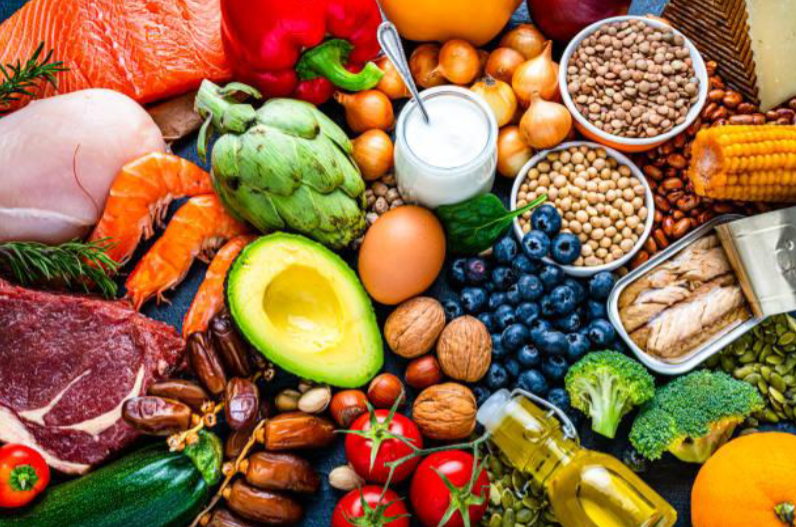
Nutrition plays a powerful role here. Focusing on gut-supportive foods like fiber-rich beans, whole
grains, and produce. Alongside probiotics like fermented foods can help to nourish the beneficial bacteria within our GI tract. At the same time, reducing artificial sugars supports blood sugar balance and helps to prevent the overgrowth of less-than-healful gut microbes.
Stress management is another key piece of the puzzle. Finding healthy ways to cope during stressful seasons allows your body to spend less time stuck in “fight or flight” mode and more time in a calm, hormonally optimized state. Fertility thrives in an environment of safety and balance.
Finally, this is not a journey meant to be navigated alone. Working with a practitioner who looks at the entire picture, not just a single lab value or isolated symptom, makes all the difference. Fertility is complex, and having someone who understands how all the pieces connect is often the missing link.
Want to learn more?
If you like what you read here, want to know more, but don’t have the time to sit down and read through all our blogs, check out our free private podcast where we break down fertility root causes in more detail. Perfect for those who want to learn more about their hormones and bodies all while still keeping up their busy schedule.
Sources
https://www.stonybrookmedicine.edu/islandfertility/news/sugar
https://rep.bioscientifica.com/view/journals/rep/169/4/REP-24-0197.xml
https://pmc.ncbi.nlm.nih.gov/articles/PMC10097215/
https://azgyn.com/blog/fertility-gut-health
Written by: Lauren Chamberlain
Edited and Reviewed By: Anabelle Clebaner MS, RDN
Cervical health is a vital aspect of women’s overall well-being, encompassing the maintenance of the cervix—the lower, narrow part of the uterus that connects to the vagina. A healthy cervix plays a crucial role in reproductive health, acting as a barrier to infections and facilitating childbirth. While regular medical screenings and vaccinations are essential components of cervical care, adopting natural approaches can further support and enhance cervical health. This article delves into various natural strategies, including nutrition, lifestyle modifications, and herbal remedies, to promote optimal cervical well-being.

Understanding the Cervix
The cervix is a critical structure within the female reproductive system, serving multiple functions that support fertility, pregnancy, and overall gynecological health. It is approximately 2 to 3 centimeters long and is composed of dense connective tissue and smooth muscle. The cervix connects the uterus to the vagina and has a small opening, known as the cervical os, which changes throughout a woman’s life and menstrual cycle.
One of the cervix’s primary functions is to regulate the passage of substances between the uterus and the vagina. The cervical mucus produced by specialized glands within the cervix plays a key role in this process. During ovulation, the mucus becomes thinner and more slippery, facilitating sperm movement toward the egg. In contrast, outside the fertile window, cervical mucus thickens to form a protective barrier that helps prevent infections from ascending into the uterus.
During pregnancy, the cervix undergoes significant changes to support fetal development. It remains firm and closed to keep the developing baby secure in the uterus. In the final weeks of pregnancy, the cervix gradually softens, shortens, and dilates in preparation for labor. This process, known as cervical effacement and dilation, is essential for a smooth delivery.
The cervix also plays a crucial role in protecting against infections. It serves as a physical barrier, preventing harmful bacteria and viruses from entering the uterus. The cervix’s immune response, including the production of antimicrobial proteins and immune cells, helps maintain a balanced vaginal microbiome. An imbalance in the cervical and vaginal microbiota can increase susceptibility to infections such as bacterial vaginosis and sexually transmitted infections (STIs), including human papillomavirus (HPV), which is a major risk factor for cervical cancer.
Cervical health has influence on various factors, including hormonal changes, immune function, and lifestyle choices. Regular Pap smears and HPV tests are essential for detecting early changes in cervical cells that could indicate precancerous conditions. Additionally, maintaining a nutrient-rich diet, avoiding tobacco use, and practicing safe sex can significantly contribute to cervical well-being.
The Role of Nutrition in Cervical Health

A balanced diet rich in specific nutrients can significantly impact cervical health by supporting the immune system, promoting healthy cell function, and reducing the risk of infections and diseases. Research indicates that certain vitamins and minerals are particularly beneficial:
- Vitamin C: Known for its immune-boosting properties, vitamin C enhances collagen production, which maintains cervical tissue integrity. It also acts as an antioxidant, reducing oxidative stress that contributes to cervical abnormalities. Incorporate citrus fruits, bell peppers, strawberries, and broccoli into your diet.
- Beta-Carotene & Vitamin A: These nutrients are essential for epithelial cell health, which includes cervical cells. Vitamin A supports immune function and promotes cell differentiation, reducing the risk of dysplasia. Sources include carrots, sweet potatoes, spinach, and kale.
- Folate (Vitamin B9): Folate plays a critical role in DNA synthesis and repair, reducing the likelihood of abnormal cervical cells. A diet rich in leafy greens, legumes, avocados, and citrus fruits ensures adequate intake.
- Vitamin E: This powerful antioxidant protects cervical cells from oxidative stress and supports reproductive health. Nuts, seeds, spinach, and sunflower oil are excellent sources.
- Zinc: Zinc supports immune function, aids in DNA repair, and promotes healthy cell division. It is found in meats, dairy, nuts, and whole grains.
- Probiotics: A healthy cervical and vaginal microbiome is crucial in preventing infections and maintaining pH balance. Fermented foods such as yogurt, kimchi, and sauerkraut help introduce beneficial bacteria that support immune function.
- Omega-3 Fatty Acids: These essential fats have anti-inflammatory properties that help regulate immune responses and support cell integrity. Sources include fatty fish, flaxseeds, and walnuts.
Incorporating these nutrients into your diet can be achieved by consuming a variety of fruits, vegetables, whole grains, lean proteins, and healthy fats. For instance, a salad with spinach, kale, shredded carrots, and sunflower seeds, accompanied by a citrus-based dressing, can provide a nutrient-dense meal supportive of cervical health.
Foods and Substances to Limit or Avoid

While certain foods can enhance cervical health, others may have detrimental effects and should be consumed in moderation:
- Processed Foods: High levels of preservatives and additives in processed foods can contribute to inflammation and negatively impact overall health.
- Sugary Beverages: Excessive sugar intake is linked to inflammation and an increased risk of infections. Opt for water, herbal teas, or natural fruit juices instead.
- High-Fat Dairy Products: Saturated fats found in high-fat dairy products may negatively affect cellular health and immune function. Choosing low-fat or plant-based dairy alternatives can be beneficial.
- Processed Meats: Diets high in processed meats are found to be associated with increased inflammation and a higher risk of certain cancers. Incorporating plant-based proteins or lean meats can be a healthier alternative.
- Alcohol: Excessive alcohol consumption is linked to an increased risk of cervical cancer and can compromise the immune system. Limiting alcohol intake can help maintain cervical health.
Lifestyle Modifications for Cervical Health
Beyond diet, lifestyle habits play a crucial role in maintaining cervical well-being. Small changes can make a big difference in overall health.
Regular Physical Activity
Engaging in regular exercise helps maintain a healthy weight, reduces stress, and strengthens the immune system. Activities like walking, yoga, or strength training can improve circulation and overall reproductive health.
Avoiding Tobacco Use
Smoking is a significant risk factor for cervical cancer. It weakens the immune system, making it harder for the body to fight off HPV infections. Quitting smoking can dramatically reduce this risk and improve overall well-being.
Practicing Safe Sex
Using condoms and limiting the number of sexual partners can lower the risk of HPV and other STIs. Since HPV is a leading cause of cervical cancer, safe sex practices are vital for prevention.
Managing Stress
Chronic stress weakens the immune system, making the body more susceptible to infections. Stress management techniques such as meditation, yoga, deep breathing exercises, or spending time in nature can promote overall health, including cervical wellness.
Herbal Remedies and Supplements

Traditional practice incorporates herbs and supplements to support cervical health:
- Green Tea: Green tea contains polyphenols, which are antioxidants known for their potential cancer-fighting properties. Regular consumption of green tea may contribute to cervical health by combating oxidative stress and inflammation.
- Turmeric: Curcumin, the active compound in turmeric, has anti-inflammatory and antioxidant properties. Adding turmeric to your diet may help maintain cervical health by reducing inflammation and supporting the body’s defense mechanisms.
- Turkey Tail Mushroom: Turkey tail mushrooms (Coriolus versicolor) are used in traditional Chinese medicine for their immune-boosting properties. They contain polysaccharide K (PSK) and polysaccharopeptide (PSP), which enhance immune health and may help fight HPV infections.
Integrating Functional Nutrition into Daily Life
A practical way to incorporate these nutrients into your daily routine is by creating meals that support cervical health. For instance:
- A smoothie made with spinach, kale, banana, Greek yogurt, and flaxseeds provides essential vitamins, probiotics, and omega-3s.
- A salad with mixed greens, shredded carrots, sunflower seeds, and grilled salmon delivers a nutrient-dense meal that promotes cervical integrity.
- Herbal teas with green tea and turmeric can offer daily antioxidant and anti-inflammatory benefits.
In Closing
Cervical health is a vital component of overall well-being, and taking proactive steps to support it naturally can be highly beneficial. By incorporating a nutrient-rich diet, adopting healthy lifestyle habits, and considering natural remedies, individuals can promote cervical health and reduce the risk of complications. Regular medical check-ups, including Pap smears and HPV testing, remain essential for early detection and prevention. A holistic approach that combines medical care with natural strategies can empower individuals to maintain optimal cervical health throughout their lives.
Sources:
https://pmc.ncbi.nlm.nih.gov/articles/PMC7698010
https://pmc.ncbi.nlm.nih.gov/articles/PMC4997408
Written by: Lauren Chamberlain
Edited and Reviewed By: Anabelle Clebaner MS, RDN

Your menstrual cycle isn’t just about fertility—it’s a vital sign of your overall health. A healthy cycle is often an indicator of wellness, while irregularities can be a red flag for potential health issues. Just like your heart rate, blood pressure, and respiratory rate, your cycle provides valuable insights into your body’s well-being. Understanding and tracking it can help you detect potential health problems early and take proactive steps toward better health. Whether you’re looking to optimize your health or manage a condition, your menstrual cycle is a powerful tool for self-awareness. Let’s dive into why your menstrual cycle is the ultimate monthly report card for your body.
Why Your Menstrual Cycle Matters
Ovulation is more than just a reproductive function—it’s a key indicator of your overall health. A regular menstrual cycle means your body is producing hormones in a balanced way, supporting everything from bone density to cardiovascular health. When your cycle is off, it might be your body’s way of signaling an underlying issue like hormonal imbalances, nutrient deficiencies, or even chronic conditions such as polycystic ovary syndrome (PCOS) or thyroid disorders.
The Menstrual Cycle as a Vital Sign
Medical professionals now recognize the menstrual cycle as the “fifth vital sign” because it reflects overall physiological health. A healthy cycle indicates that your hormones are functioning properly, while irregularities could signal potential concerns such as:
- Hormonal imbalances – Irregular periods can be a sign of PCOS, thyroid dysfunction, or estrogen dominance.
- Nutritional deficiencies – A lack of key nutrients like iron, zinc, and vitamin D can affect your cycle’s regularity and flow.
- Stress and lifestyle factors – High stress, poor sleep, or over-exercising can impact ovulation and menstrual health.
The Phases of the Menstrual Cycle
Understanding the four phases of the menstrual cycle can help you align your lifestyle, nutrition, and self-care routines with your body’s natural rhythm.
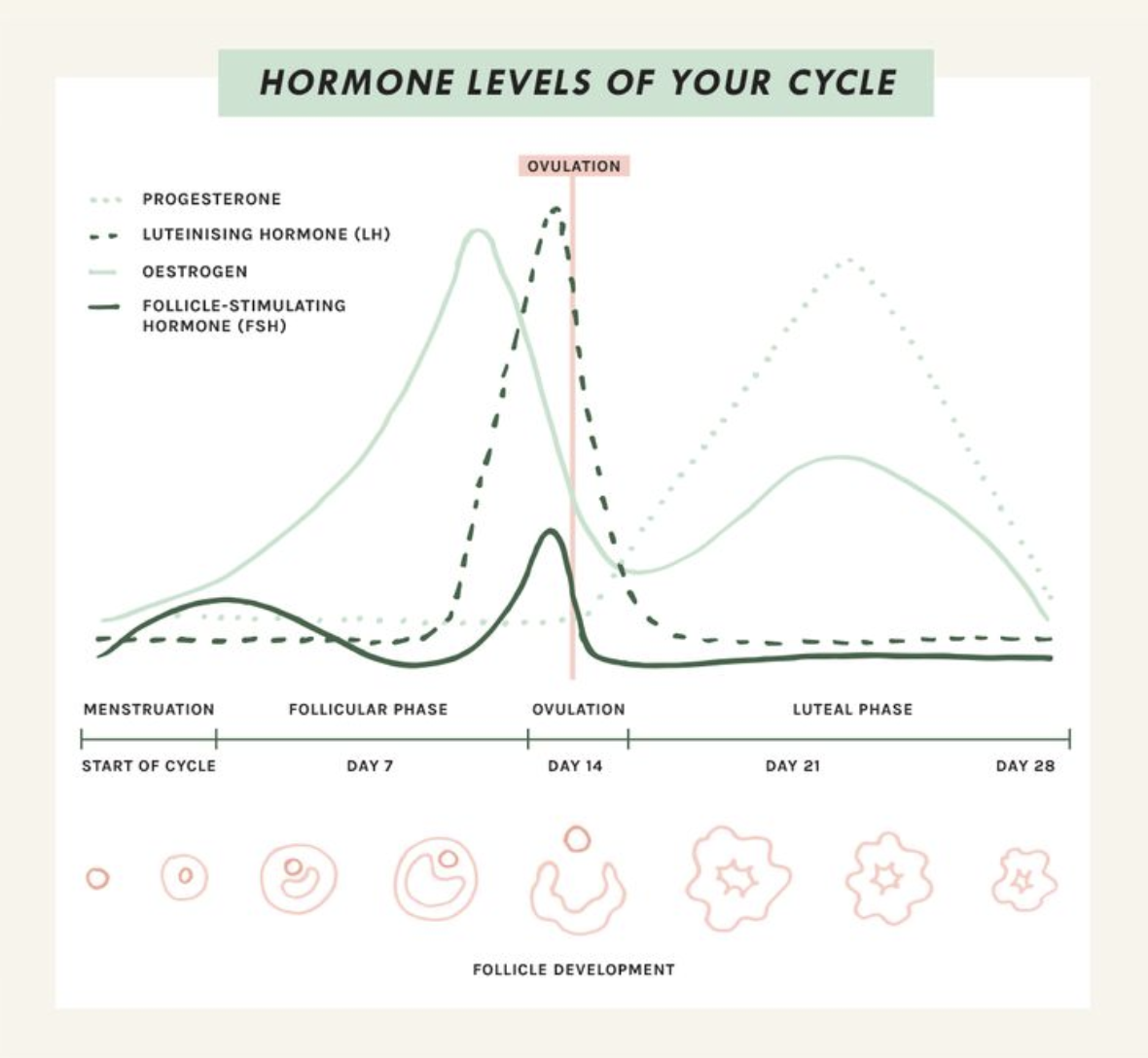
- Menstrual Phase (1-6 days)
- This phase begins with the shedding of the uterine lining.
- Energy levels may be low, and the body benefits from rest and nutrient-dense foods.
- Follicular Phase (7-21 days)
- The body starts preparing for ovulation by increasing estrogen production.
- This is an optimal time for creativity, social activities, and higher-intensity workouts.
- Ovulatory Phase (1 day)
- The body releases an egg, and estrogen peaks.
- Many women experience increased energy, confidence, and libido during this time.
- Luteal Phase (10-16 days)
- Progesterone rises, preparing the body for a potential pregnancy.
- PMS symptoms may appear, and the body may crave more rest and nourishing foods.
Aligning your activities with these phases can help you optimize performance, reduce stress, and support hormonal balance. Learn more about eating for your cycle here.
What a Healthy Menstrual Cycle Looks Like
A normal menstrual cycle varies from person to person, but generally:
- Cycle length: 21–35 days (consistently within an 8-day range)
- Menstruation duration: 3–7 days with a blood loss of about 25–80 mL
- Ovulation: Occurs between days 10–23, followed by a luteal phase of 12–14 days
- Cervical mucus changes: 2–7 days of cervical mucus with at least one day of peak mucus before ovulation
If your cycle frequently falls outside these parameters, it might be time to investigate further.
What Your Menstrual Cycle Can Reveal About Your Health
Your menstrual cycle is an important indicator of your overall health, and any changes or irregularities can signal underlying issues. Here are some signs to watch for:
- No cycle: This could indicate anovulation, amenorrhea, stress or trauma, or possibly PCOS.
- Skipped cycles: Anovulation, stress or trauma, or potentially PCOS.
- Cycles longer than 35 days: Anovulation or PCOS.
- Cycles shorter than 21 days: May point to a luteal phase defect (and see “Luteal Phase shorter than 10 days”).
- Luteal phase shorter than 10 days: Low progesterone due to inadequate follicle or corpus luteum development, which may be linked to egg quality issues, inflammation, thyroid dysfunction, insulin metabolism problems, or nutrient deficiencies (especially magnesium, B vitamins, Vitamin D, iodine, zinc, selenium).
- Heavy flow: This can indicate estrogen dominance, often accompanied by painful cramps, tender breasts, headaches, fluid retention, and mood swings.
- Light flow/Dark or brown color: This could suggest inadequate corpus luteum development or uterine lining thickening, with low estrogen, FSH, or LH levels.
- Menstrual fluid odor: A possible sign of infection or dysbiosis.
- Cramping: Often associated with estrogen dominance.
- Bleeding outside of menstruation: Spotting in the luteal phase could indicate low progesterone production, often due to issues with follicular or corpus luteum development.
- Vaginal discharge/cervical mucus changes: Typically, the pattern will progress from dry → sticky → creamy → egg white → sticky → dry.
If any of these signs are present, it may be time to seek medical advice and investigate further.
Learn more about how optimizing gut health can help manage PCOS here: Understanding PCOS and Gut Health

How Hormones Influence Your Cycle
Two primary hormones drive the menstrual cycle: estrogen and progesterone.
- Estrogen helps build up the uterine lining and triggers the release of an egg during ovulation.
- Progesterone stabilizes the uterine lining, supports pregnancy, and helps balance estrogen’s effects.
When these hormones are out of balance, it can lead to irregular periods, mood swings, fatigue, and other symptoms. Proper ovulation is essential not just for fertility but for long-term health, as it helps protect against conditions like osteoporosis, cardiovascular disease, and even certain cancers.
Natural Ways to Balance Female Sex Hormones

Balancing hormones naturally can improve menstrual health and overall well-being. Here are key strategies to support hormone balance:
- Nutrient-Dense Diet – Prioritize whole foods rich in fiber, healthy fats, and essential vitamins. Foods like leafy greens, cruciferous vegetables, and omega-3 fatty acids help regulate estrogen levels.
- Gut Health Support – A healthy gut microbiome plays a crucial role in hormone metabolism. Probiotic-rich foods like yogurt, kefir, and fermented vegetables can aid digestion and hormone balance.
- Reducing Toxins – Environmental toxins found in the 4 P’s (plastics, pesticides, pollution and personal care products) can act as endocrine disruptors. Switching to natural alternatives can help minimize exposure to hormone-disrupting chemicals.
- Stress Management – Chronic stress increases cortisol levels, which can disrupt estrogen and progesterone balance. Practices like meditation, deep breathing, and regular movement can help lower stress levels.
- Common causes of stress:
- Chronic stressors → oxidative stress, inflammation, immune dysfunction, thyroid suppression (“rest and repair”)
- Common causes of stress:
- Sleep Optimization – Aim for 7-9 hours of quality sleep each night, as inadequate rest can negatively impact hormone regulation.
- Sleep signs that indicate something is “off”:
- Light sleeping/lack of deep sleep → low progesterone
- Waking frequently to urinate → sign of chronic stress
- Waking between 1-3am, night sweats → liver detoxification
- Sleep signs that indicate something is “off”:
Tracking Your Cycle: A Powerful Health Tool
Charting your cycle helps you understand your body’s unique rhythm and detect early signs of imbalance. Fertility awareness methods (FAM) focus on tracking:
- Basal body temperature (BBT) – A rise in temperature indicates ovulation has occurred.
- Cervical mucus patterns – Clear, stretchy mucus signals peak fertility.
- Cervical position – Changes throughout the cycle, helping identify fertility windows.
Tracking these signs can give you a clearer picture of your health, help you time conception (or avoid pregnancy naturally), and even provide clues about underlying health issues.
Lifestyle and Nutrition for a Healthy Cycle
Supporting your menstrual health involves more than just tracking—it’s about optimizing your lifestyle:
- Eat nutrient-dense foods: Include healthy fats, iron-rich foods, and plenty of fiber.
- Manage stress: High cortisol levels can disrupt ovulation.
- Get enough sleep: Poor sleep affects hormone production.
- Exercise wisely: Overtraining can negatively impact your cycle, while moderate movement supports hormone balance.
The Pill and Menstrual Health
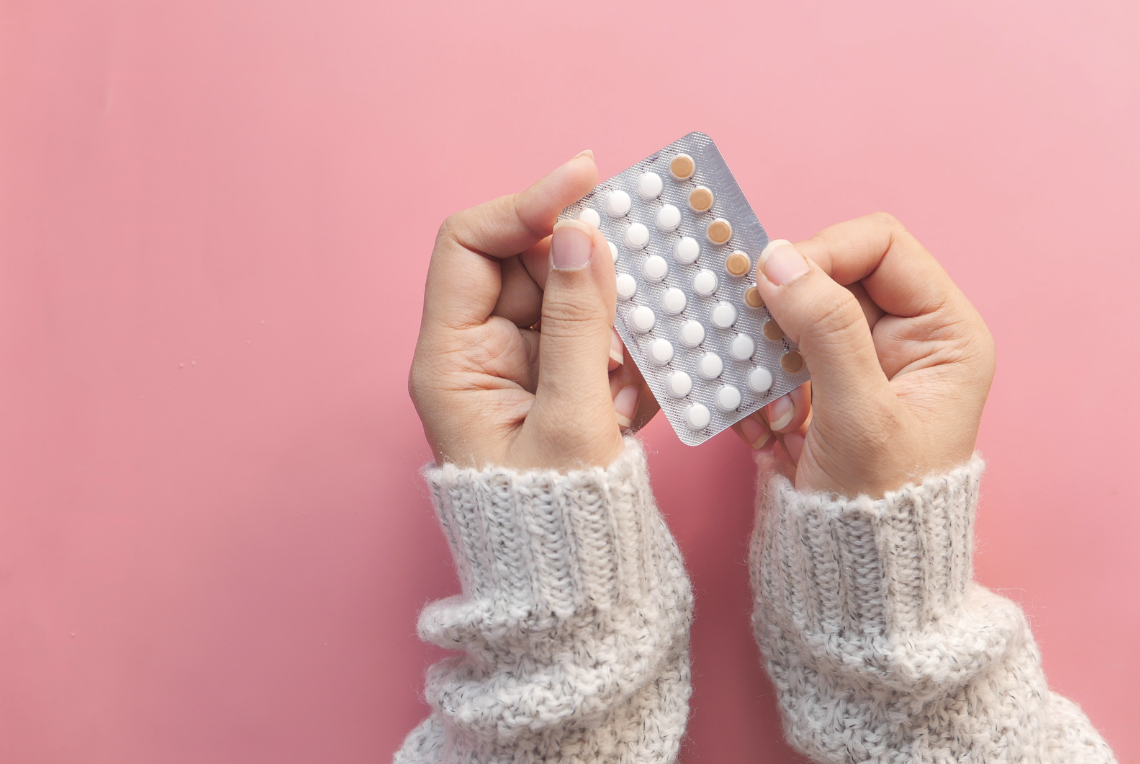
Hormonal contraceptives suppress ovulation, meaning they override your body’s natural cycle. While effective for pregnancy prevention, long-term use can deplete essential nutrients like folate, vitamin B6, and zinc. Research also shows that hormonal contraceptives can impact cervical health, making women up to 85% less likely to clear HPV infections, which increases the risk of cervical cancer. Additionally, long-term pill use has been linked to folate deficiency, affecting cell repair and increasing the chances of abnormal cervical changes. Nutritional support, including adequate folate, vitamin A, and B vitamins, may help mitigate some of these effects. Understanding these potential impacts can help individuals make informed decisions about their contraceptive choices.
Learn more about the steps to take before getting off hormonal birth control here.
Take Charge of Your Cycle
Your menstrual cycle is a powerful health indicator that deserves attention. By tracking and understanding your cycle, you gain insights into your body’s needs, allowing you to make informed decisions about your health. If you notice irregularities, don’t ignore them—your cycle is your body’s way of communicating with you.
Want to start tracking? Use a simple journal, an app, or work with a fertility nutritionist to get a deeper understanding of your unique cycle. Your period isn’t just a monthly inconvenience—it’s a crucial barometer of your health!
Sources
https://pmc.ncbi.nlm.nih.gov/articles/PMC7643763
https://drbrighten.com/stopping-birth-control-side-effects

Written by: Lauren Chamberlain
Edited and Reviewed By: Anabelle Clebaner MS, RDN
Fertility is often thought of as a fixed trait, something predetermined by genetics. However, research in the field of epigenetics is revealing a different reality—one where lifestyle choices, environment, and nutrition can directly influence fertility and even impact the health of future generations. Epigenetics refers to modifications in gene expression that don’t alter DNA itself but affect how genes function. These changes can be passed down, meaning the way we live today has lasting consequences beyond just our own reproductive health.
Recent studies have shown that dietary patterns, stress levels, and environmental exposures can trigger epigenetic modifications that affect reproductive health. These findings highlight how fertility isn’t just about genetics—it’s also about how we live our daily lives.
So, what does this mean for fertility? Simply put, the way we eat, manage stress, exercise, and even sleep can influence our ability to conceive and the long-term health of our children. Let’s explore how epigenetics shapes fertility and what lifestyle changes can make a positive impact.
What is Epigenetics?
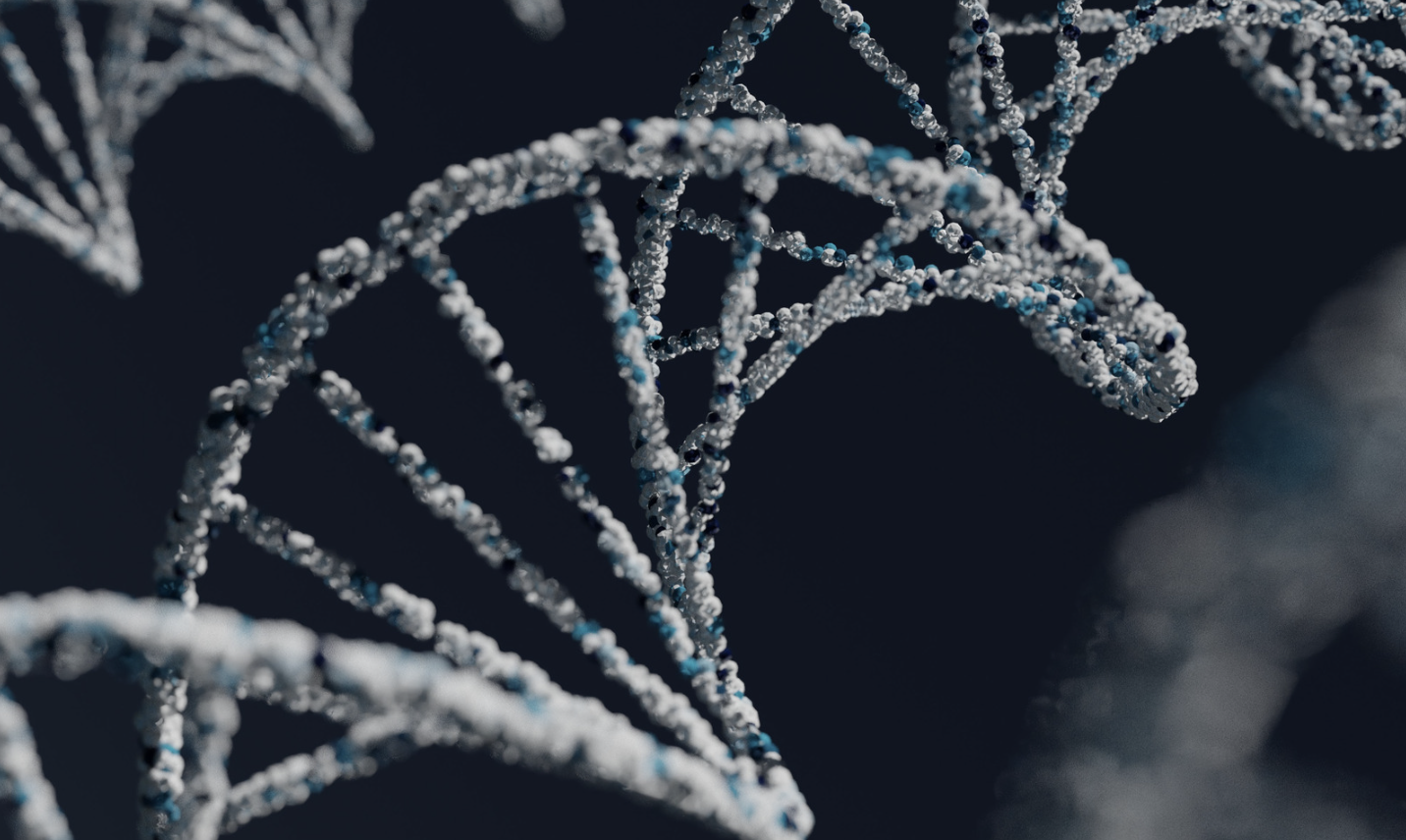
Epigenetics is the study of how external factors can turn genes on or off without altering the DNA sequence itself. This occurs through mechanisms like:
- DNA Methylation – Chemical tags attach to DNA, affecting gene expression. This process helps regulate hormone production and embryo development. Too much or too little methylation can disrupt fertility-related genes, impacting egg and sperm quality
- Histone Modification – DNA wraps around proteins called histones; changes in this structure can enhance or suppress gene activity, influencing reproductive potential. Studies suggest that histone modifications play a key role in gametogenesis and early embryo development.
- Non-Coding RNA – These molecules help regulate gene function, ensuring that reproductive processes occur smoothly. Specific microRNAs (miRNAs) have been linked to follicular development and sperm maturation.
In fertility, epigenetics plays a crucial role in egg and sperm quality, embryo development, and hormone regulation. Small lifestyle adjustments can either support or hinder these processes, influencing both conception and pregnancy outcomes.
The Link Between Epigenetics and Fertility
Epigenetic changes affect both male and female fertility in various ways, including:
- Egg and Sperm Quality: Poor nutrition, stress, and toxins can trigger harmful epigenetic modifications, reducing reproductive potential. Oxidative stress can impair mitochondrial function in oocytes, impacting fertilization and embryo viability.
- Hormone Balance: The way genes regulate estrogen, progesterone, and testosterone is influenced by lifestyle, affecting ovulation and sperm production.
- Reproductive Disorders: Conditions like PCOS, endometriosis, and unexplained infertility are linked to epigenetic shifts. Recent studies suggest that altered DNA methylation patterns in endometrial tissue contribute to implantation failure.
By understanding these connections, we can take proactive steps to support fertility through daily habits.
Lifestyle Factors That Influence Epigenetics and Fertility
1. Nutrition: Fueling Fertility at the Genetic Level
A diet rich in essential nutrients directly influences epigenetic programming. Key nutrients include:
- Folate & B Vitamins – Support proper DNA methylation, essential for healthy egg and sperm development.
- Vitamin D – Enhances ovulation and facilitates egg transport and fertilization in the oviduct.
- Choline – Plays a role in fetal brain development and gene expression.
- Antioxidants (Vitamin C, E, Selenium, Zinc) – Reduce oxidative stress, protecting reproductive cells.
- Healthy Fats (Omega-3s) – Essential for hormone production and epigenetic signaling.
- Coenzyme Q10 (CoQ10) – Supports mitochondrial function and enhances egg and sperm quality, playing a role in energy production within reproductive cells
In contrast, processed foods, refined sugars, and trans fats can disrupt hormonal balance and negatively influence gene expression.
2. Stress and Cortisol: The Hidden Fertility Disruptor
Chronic stress triggers the HPA-axis (hypothalamic-pituitary-adrenal axis), a system responsible for regulating stress hormones. When overstimulated, the HPA-axis increases cortisol levels, negatively impacting ovulation, implantation, and sperm production. Epigenetic research suggests that prolonged stress can alter hormone receptor genes, making the body less responsive to reproductive hormones.
Ways to manage stress:
- Mindfulness & Meditation – Helps lower cortisol and supports reproductive hormone balance.
- Regular Movement – Gentle exercise like walking, yoga, or strength training improves resilience.
- Adaptogens – Herbs like ashwagandha and rhodiola may support adrenal health.
- Adequate Sleep – Poor sleep raises cortisol and disrupts hormone production.
3. Environmental Exposures: The Silent Epigenetic Disruptors
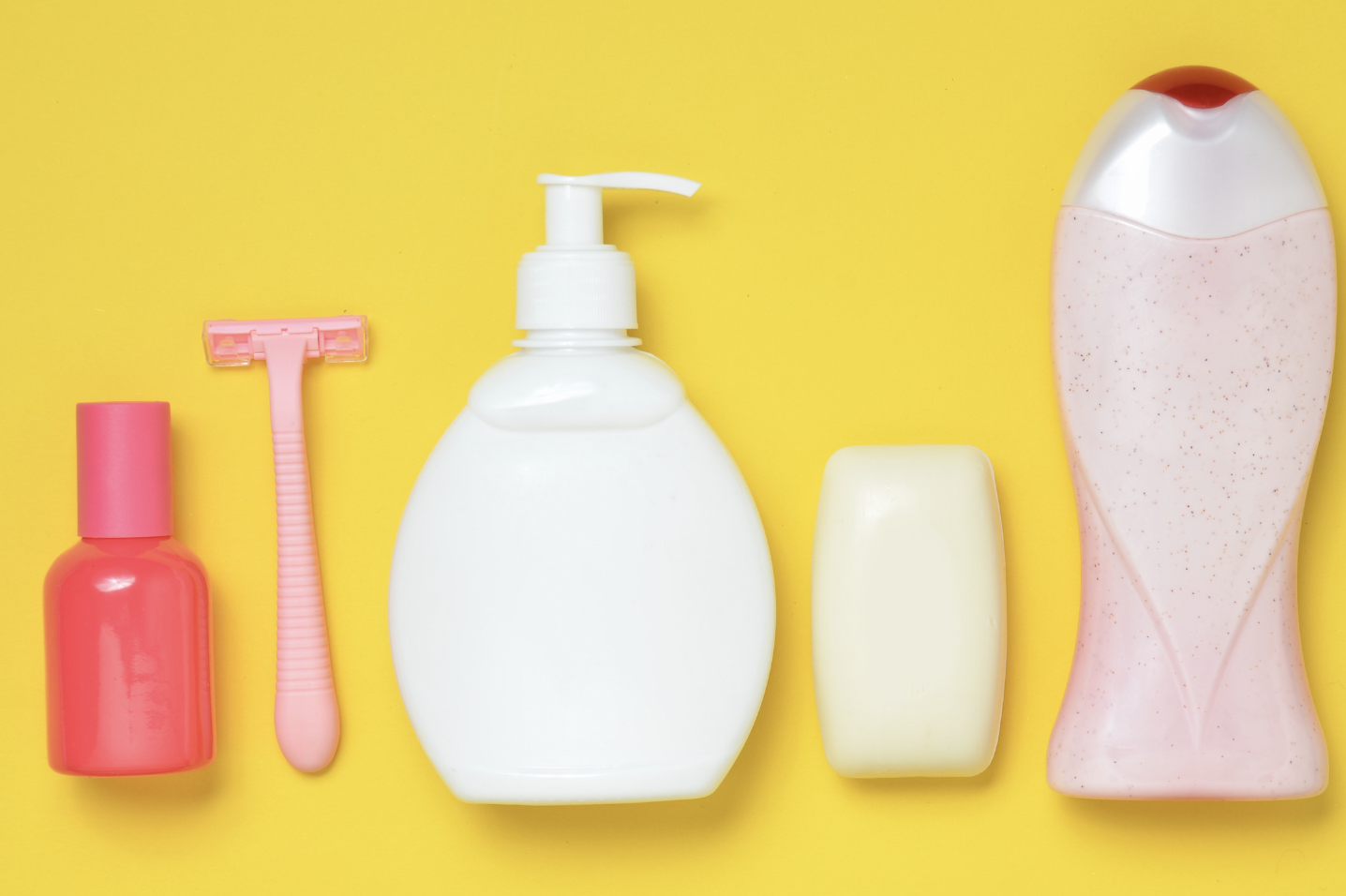
Everyday exposure to toxins and endocrine-disrupting chemicals (EDCs) can negatively impact fertility by altering gene expression. Common culprits include:
- Plastics (BPA, phthalates) – Found in food containers, disrupt hormonal balance.
- Pesticides & Heavy Metals – Linked to poor sperm quality and egg development.
- Personal Care Products (Fragrances, Parabens) – Interfere with estrogen and progesterone function.
Ways to reduce exposure:
- Choose organic produce when possible.
- Use glass or stainless-steel containers instead of plastic.
- Switch to non-toxic beauty and cleaning products.
- Minimize use of single-use coffee pods, as they may contain BPA and phthalates that disrupt hormone function!
4. Exercise: Finding the Right Balance
Physical activity supports healthy gene expression and improves fertility by:
- Regulating insulin and blood sugar (critical for PCOS and hormone balance).
- Enhancing circulation to reproductive organs.
- Lowering inflammation, which can affect egg and sperm quality.
However, excessive exercise can have the opposite effect, triggering stress responses that suppress ovulation and lower sperm count. Finding a balance with moderate movement is key.
5. Sleep and Circadian Rhythm: The Overlooked Fertility Factor

Melatonin, the sleep hormone, also plays a significant role in fertility by regulating the menstrual cycle and protecting eggs and sperm from oxidative stress. Poor sleep patterns can lead to:
- Disrupted reproductive hormones (irregular ovulation and sperm production).
- Increased inflammation and stress levels.
- Higher risk of pregnancy complications.
Improving sleep hygiene can enhance fertility by supporting natural hormone rhythms.
Transgenerational Effects: How Your Choices Affect Future Generations
Perhaps the most fascinating aspect of epigenetics is that lifestyle habits not only impact your fertility but also your children and grandchildren. Studies suggest:
- Parental diet before conception can shape a child’s metabolism and disease risk.
- Stress during pregnancy can alter fetal gene expression, affecting health later in life.
- Environmental exposures in one generation may increase infertility risks in future ones.
This means that the steps taken today to optimize fertility aren’t just for us—they’re for future generations, too.
Practical Steps to Optimize Epigenetics for Fertility

To support fertility and healthy gene expression, consider:
- Eating a nutrient-dense diet rich in whole foods and antioxidants.
- Managing stress with meditation, journaling, or therapy.
- Reducing exposure to environmental toxins.
- Finding a balanced exercise routine.
- Prioritizing sleep and circadian rhythm alignment.
Even small changes—like switching to glass food storage, adding more omega-3s to your diet, or prioritizing sleep—can positively impact your fertility and future generations. Which one will you start with today?
Try the Modified Mediterranean Diet
Studies have found that low homocysteine levels were found in those that followed this diet. Remember – elevated homocysteine levels are linked to poor egg quality and deficiencies in folate and B12. The traditional Mediterranean Diet is high in grains.
Try this version instead:
- Less grains, more starchy veggies and berries, low glycemic load carbs
- Healthy fats like olive oil, avocados, nuts, seeds, and animal fats from pasture raised, grass fed animals
- Full- fat dairy (preferably raw or fermented dairy)
Unlike the traditional Mediterranean diet, this version limits grains to stabilize blood sugar and support hormone balance. The inclusion of pasture-raised animal fats and full-fat dairy ensures an optimal intake of fat-soluble vitamins (A, D, E, K), choline, and glycine, all critical for reproductive health. This diet is also rich in B vitamins, omega 3 fatty acids, choline, iron, and zinc! All powerhouse nutrients that promote reproductive health.
Conclusion
Epigenetics is transforming our understanding of fertility, showing us that our daily choices influence not only our ability to conceive but also the long-term health of our offspring. By adopting healthy nutrition, stress management, toxin reduction, and sleep habits, we can optimize fertility in a way that extends far beyond our own generation.
Making these changes today isn’t just about getting pregnant—it’s about creating a healthier future for generations to come.
Sources
https://pmc.ncbi.nlm.nih.gov/articles/PMC6463256
The Preconception Playbook
This free playbook provides specific actionable tips to get started on your fertility journey, as well as what to avoid while you're trying to conceive.

Get the free playbook

