Nutrition
Resources
Style
Planning
View All


If you’re like most of my clients, you’ve probably already spent a lot of time googling at 3am what foods you should be eating to get pregnant. Maybe you’re googling at 3am right now looking for the perfect fertility diet. If you have, welcome.
I know how frustrating it can be to sift through the internet to find information that is not only useful, but also legitimate. Maybe you’re just starting out on this fertility journey, or perhaps you’ve been trying to conceive for 6 months, a year, or longer. Wherever you are in your journey, I know that following these three simple steps will greatly help you to realizing your dreams of becoming a mother.

I should preface this post by saying that there is no one “perfect diet” for every single person on the planet. As I’m sure you know, what works for your girlfriend would be torture for you. Some of my clients eat three meals/day, others eat six mini meals – some do better on low carb, and others need to have meat every day.
However, there are three basic components to my perfect fertility diet that will work for everyone, regardless of your individual needs. Of course, working with a Registered Dietitian will be the best way to get individualized recommendations based on your hormones, gut health, and nutrient needs. [If you’re interested in working with a dietitian specializing in fertility nutrition – book your free discovery call with me here.]
While there are certain foods you can emphasize throughout your fertility journey, you also want to think about your diet as a whole – meaning how to pair foods together for optimum nutrient absorption, breakdown of macros, and balancing blood sugar and hormones.
I’m going to break this down for you in 3 easy steps. Alright, let’s get right into your perfect fertility diet plan.
The Perfect Fertility Diet
Step 1 to The Perfect Fertility Diet: Always pair your carbohydrate source with a protein, fat, or both.
When you’re eating a carb source like a sweet potato, rice, or quinoa you want to make sure you’re not eating that carb alone. Or as Lily Nichols says, you don’t want to be eating a “naked carb.”
This goes for things like fruit too. Yes, fruit are healthy sources of carbs and fiber and you should definitely be including them in your diet, but just make sure you’re pairing your fruit or any other carb with a protein and/or fat source.
The reason for this is because you want to avoid spiking and crashing your blood sugar throughout the day. If you’re eating just oatmeal by itself for example, even though oats have fiber, it’s often too many carbs all at once.
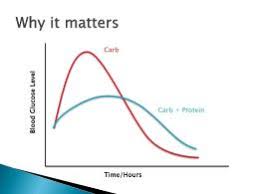
This simple graph illustrates the point. When you eat just carbohydrates, there is a fast response – the carbs are broken down into sugar, causing the amount of sugar in your blood to spike. In response, the hormone insulin is released to quickly deal with all the sugar, and carries it into your cells to be used for energy. The result is a sharp decrease in blood sugar (the red line on the graph).
If you’ve ever eaten breakfast and then 30 minutes later you’re still hungry, this is probably what happened. By adding in a healthy fat source or protein, you’re slowing that process down (as seen above). You’re allowing a more slow release that will keep you fuller for longer, and won’t send your body in a cascade of disrupting your hormones.
Why does this matter for fertility?
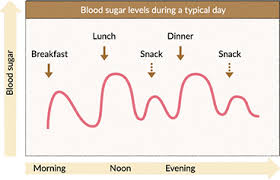
So how does blood sugar spikes relate to the perfect fertility diet? Well, when you are eating in a pattern of spiking your blood sugar throughout the day, every day – this tends to cause more inflammation in your body. The ultimate goal of a fertility diet plan is to decrease as much inflammation in the body as we can, in order to make it an environment suitable for reproduction.
Furthermore, all carbohydrates (even healthy ones) raise blood sugar, which increase insulin, which increases testosterone, and can lead to irregular cycles – especially if you have PCOS. So if you’re dealing with irregular, long cycles – you’ll definitely want to start putting this into practice.
Snack Examples: Carbs + Protein / Fat
| CARBOHYDRATE | PROTEIN/FAT |
| 1 Medium Apple | 1-2 Tbsp Nut Butter |
| 5 Whole Grain Crackers | 1-2 Hardboiled Eggs |
| 1 Cup Cantaloupe | 2 oz Cottage Cheese |
| ¾ Cup Berries | 6-8oz Plain Greek Yogurt |
| 2 Tbsp Dried Fruit | 12-15 Almonds |
Step 2 to The Perfect Fertility Diet: Base most of your plate off of a variety of vegetables.
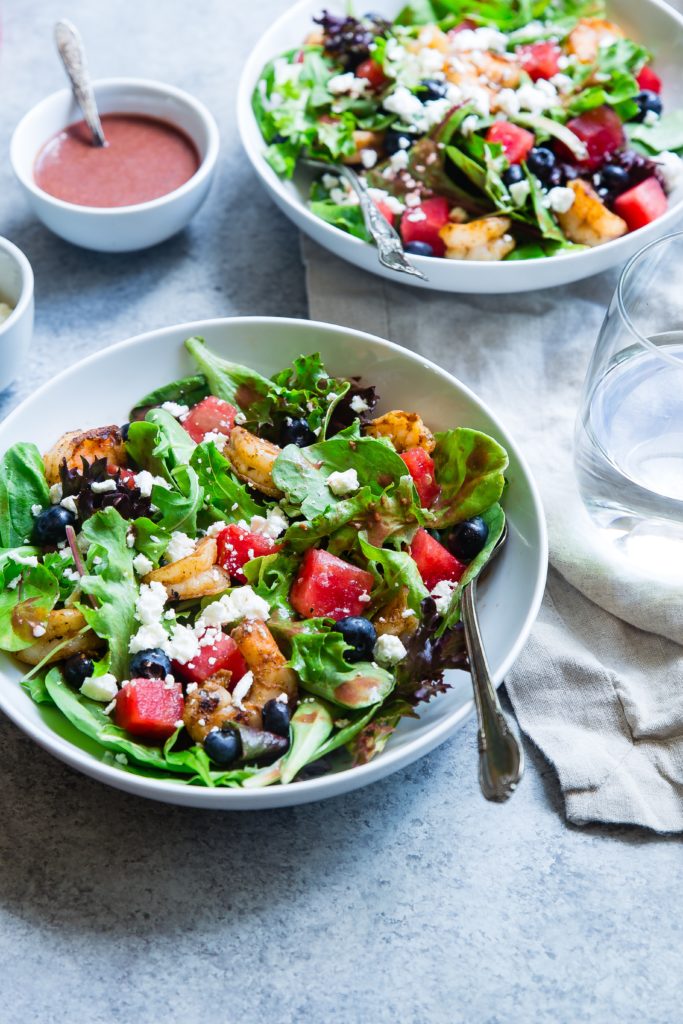
Vegetable recommendations from a dietitian – I know, shocking. But eating enough vegetables throughout the day is KEY to your perfect fertility diet plan.
When you’re trying to conceive, it’s a super energy-intensive process that requires a flood of vitamins and nutrients. This is why I emphasize vegetables at every single meal. And if you think about it, the general requirement is at least 6-12 servings of vegetables per day.
Most people are not getting nearly this much. So if you start thinking about your plate as starting with vegetables and then adding in other components you’re likely to be getting more of those veggie servings.
Some ideas would be leafy greens like spinach and kale, zucchini, bok choy, and so many others. All these vegetables are going to help with your fiber intake as well, which will help keep you regular and keep your digestive track healthy.
Step 3 to The Perfect Fertility Diet: Always choose a good source of protein
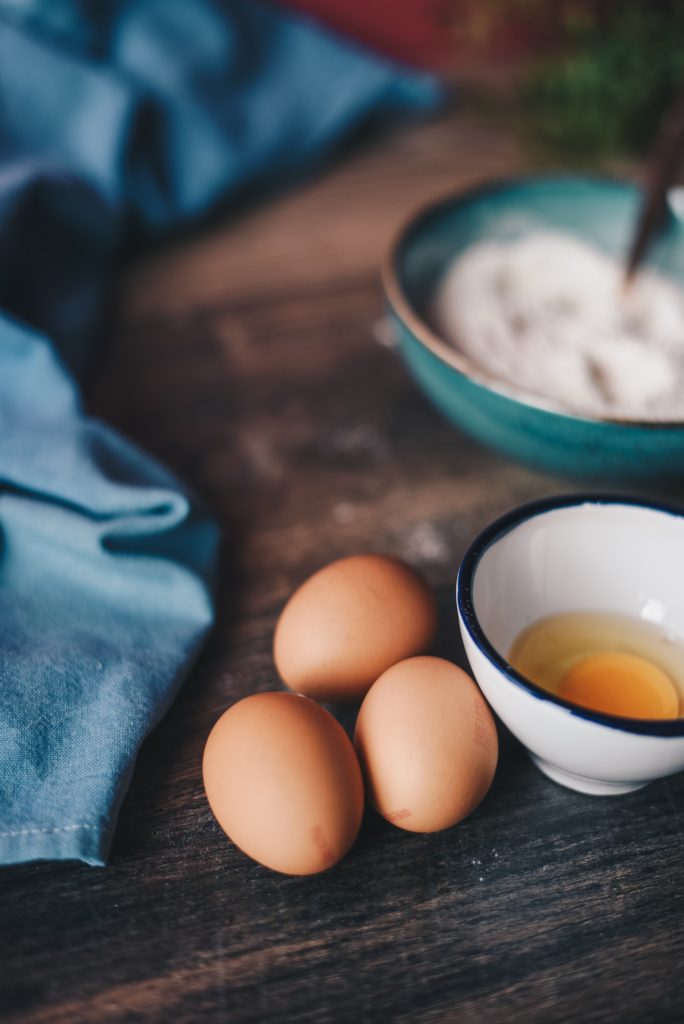
What I mean by this is – if you’re including meat into your diet, be sure to choose organic grass-fed meats, pasture-raised organic eggs, and line-caught or wild-caught seafood. This is definitely going to be more expensive, but you’re also avoiding all of the hormones, antibiotics and other sh*t that is pumped into our food supply.
Now, if you can’t afford to do this all the time, I would recommend eating it less often, and instead choosing plant proteins like lentils or beans to help boost your protein intake. Canned tuna or salmon from brands like SafeCatch or WildPlanet are also really affordable options too.
Most women do not get enough protein, and especially if you’re vegan you’re likely not getting enough.
Recap: The Perfect Fertility Diet
So to recap:
1. Don’t eat naked carbs – always pair your carbs with a fat or protein
2. Make the majority of your meals vegetables
3. Choose organic and high quality protein
Remember, what you eat now will affect the health of your baby, so you want to choose wisely as often as you can. This doesn’t mean you need to stress out about it. In fact, reducing your stress if part of an overall fertility plan that I recommend with my clients.
If you’re looking for a more individualized approach to your fertility nutrition plan, and are serious about getting pregnant naturally – let’s set up a free discovery call to see if we’re a good fit.
Remember, you are strong and you got this.

What is a Fertility Diet?
You may have heard that eating a “fertility diet” would help you get pregnant. Or perhaps you’re here because you think your diet could be the reason behind some of the symptoms you’re experiencing like PMS, irregular cycles, or other hormone imbalances.
As a fertility dietitian, I work with women specifically on diet and lifestyle modifications to improve their chances of conceiving naturally. Below are my top 10 favorite fertility foods, as well as the reason behind why they are so good for you when trying to conceive.
As you may know, what you eat affects your body, including for fertility. Think about it, the food we eat affects our heart, our blood sugar, our weight – why wouldn’t it also be affecting our reproductive system?
All of the fertility foods I include are functional foods, meaning they have a health promoting function in the body – specifically for balancing hormones, fertility and pregnancy.
If you’ve tried any of these fertility foods before, let me know in the comments, and be sure to keep your eye out for more fertility nutrition blog posts.
The Top 10 Fertility Foods (Dietitian Approved!)
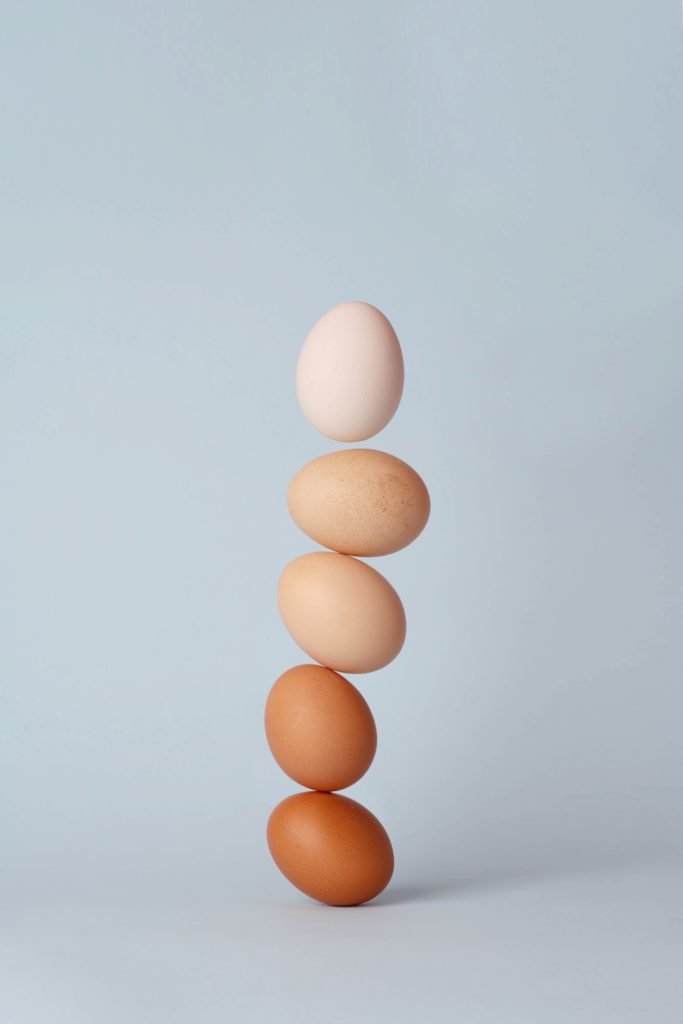
The first fertility food I recommend is pasture-raised organic eggs. Eggs are an amazing source of choline, specifically the yolk, which is essential for developing your baby’s brain. The cholesterol in the yolk is also a building block for the hormone progesterone. Eating enough healthy cholesterol in the form of pasture-raised organic eggs is an egg-cellent way of eating for fertility. (Sorry, had to! 🙂 ) One of my absolute favorite ways to eat eggs is by making Shakshuka– an Israeli-Tunisian dish. I have an Instagram highlight dedicated just to Shakshuka if you’re looking for some inspiration!
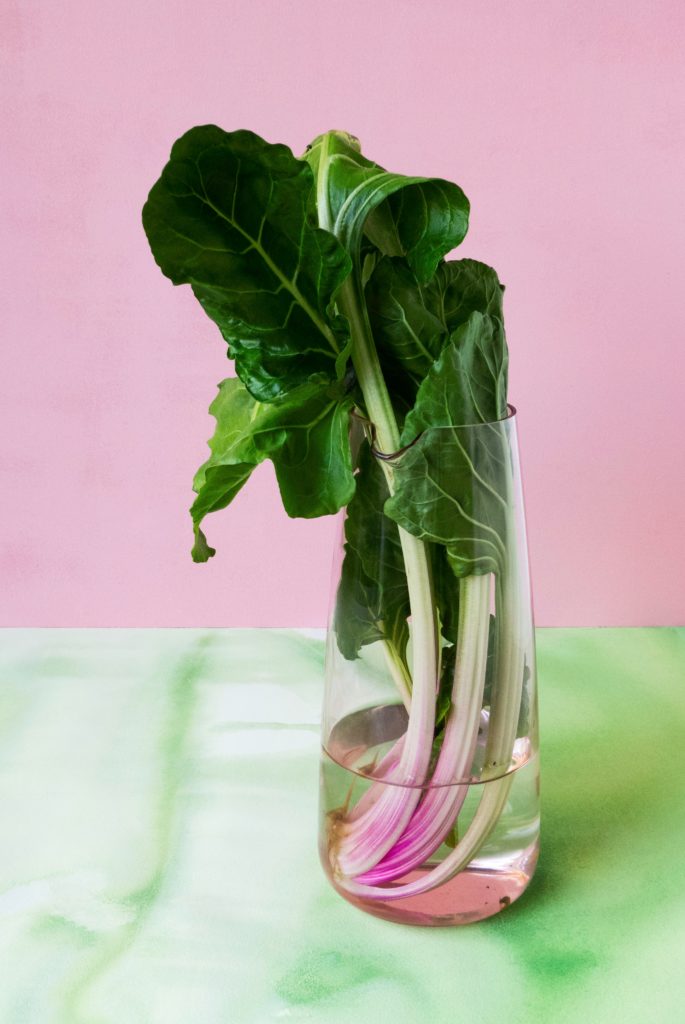
Next up is dark leafy greens – which are full of folate. You may have heard that folate is super important for your baby’s development, but why is it exactly a fertility food? Folate is a co-factor in many metabolic processes in your body, namely in DNA methylation and replication – aka making new copies of DNA. When you have adequate folate in your diet, your body does a better job of copying DNA, aka making a new baby! Don’t be fooled by prenatal vitamins that have folic acid though. Folic acid is a less bio-available form of folate, meaning your body doesn’t absorb it as well. [Here’s a link to my favorite prenatal vitamins that were formulated by a dietitian!] Getting a variety of greens is great too, so don’t be afraid to mix it up! Some of my favorites are spinach, bok choy, collard greens, kale, swiss chard or rainbow chard, and arugula.
Omega-3 Fats are amazing for fertility!
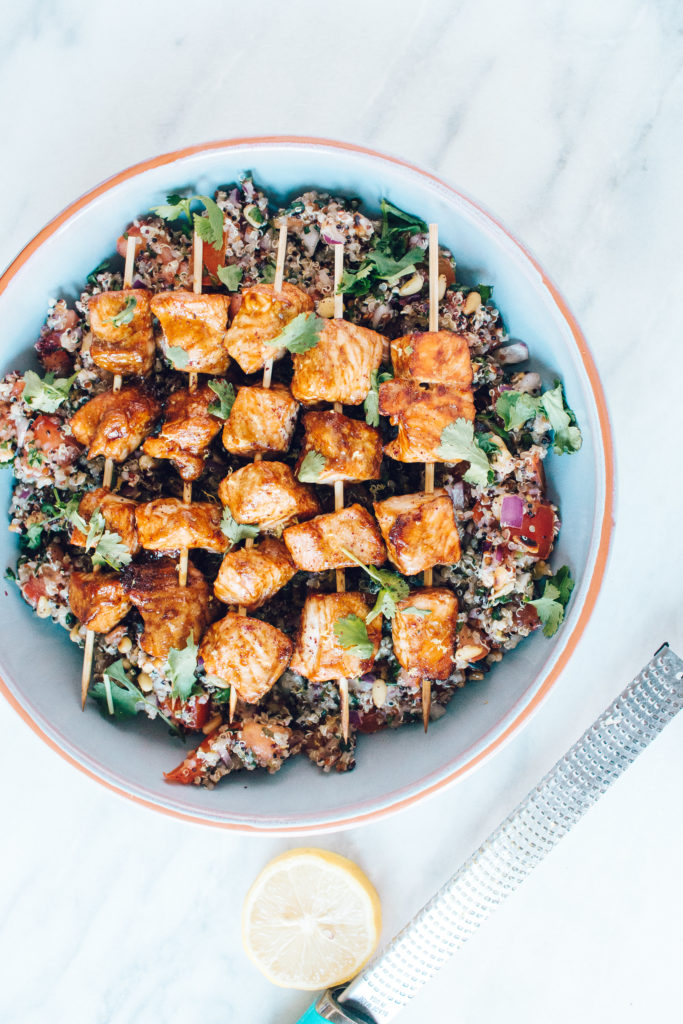
The third food I recommend is salmon! Salmon is an amazing source of omega-3 fatty acids, which are a brain boosting fat. Omega-3s have been shown to improve cognitive development in fetuses. They balance out the ratio of omega-3 to omega-6 fats in the body. Since the Standard American Diet (SAD) is filled with omega-6 fats, we need to put an emphasis on eating more omega-3 fats. Other fish I recommend are tuna, cod, halibut, sardines (I’m super into them right now!) and herring. Looking for the most delicious salmon recipe, EVER? Definitely go bookmark this recipe for delicious salmon kebabs.
Full Fat Dairy & Citrus
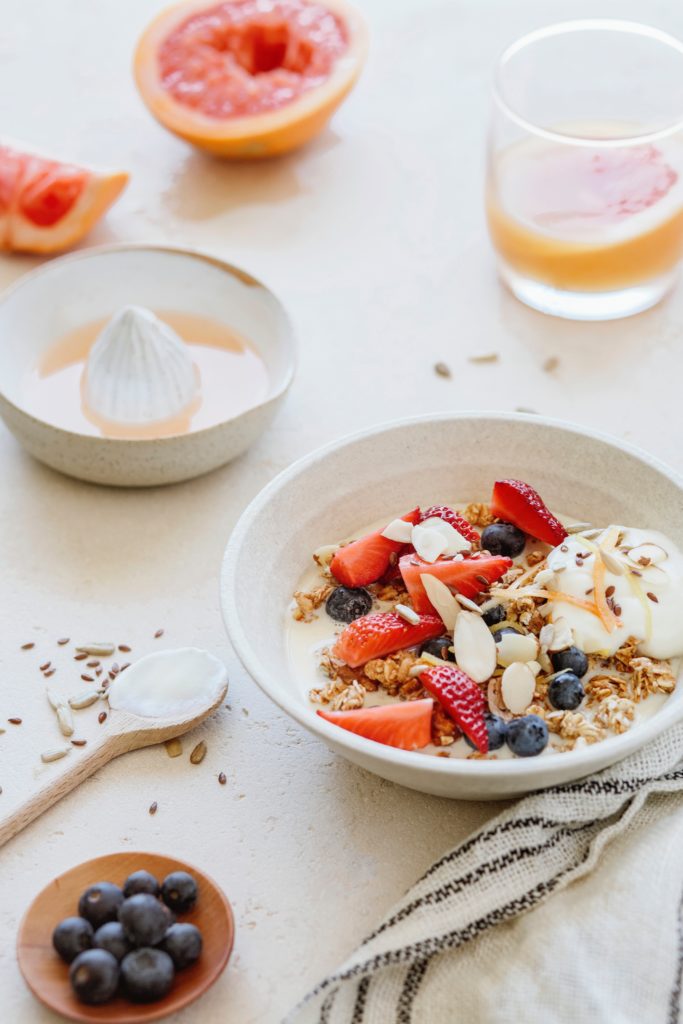
The fourth food I recommend is full-fat dairy. Full-fat dairy has the active preformed vitamin A, while plant sources of vitamin A are pro-formed and less bio-active. Full fat dairy can also be very supportive of balancing hormones. [Note: only eat dairy if you can tolerate it.] I love full fat plain greek yogurt or adding some full fat cream to my coffee for a delicious treat.
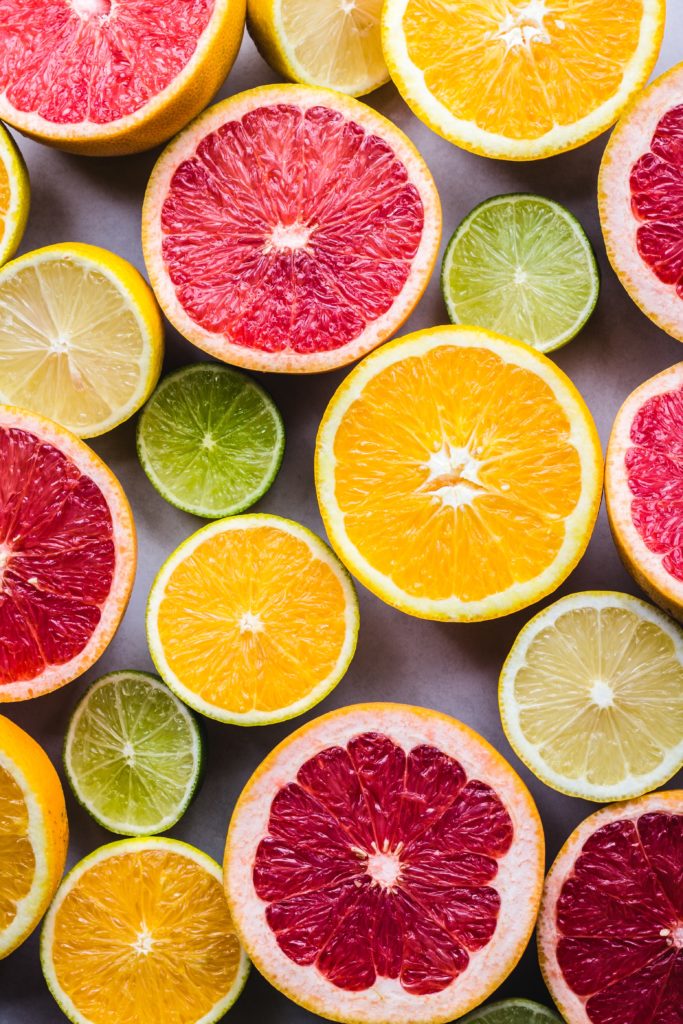
Number five is citrus fruits like lemons, limes, and oranges. Citrus are an excellent source of vitamin C, a powerful antioxidant that’s helpful in reducing oxidative stress in your body. I love zesting citrus and adding it to water, smoothies, and salad dressings. There are so many ways to add citrus to your diet including add lemon to your water, making homemade vinaigrettes, or just packing an orange for an afternoon snack. It doesn’t get easier than this one!
Our bodies naturally create oxidative stress, but an overload can cause inflammation. When you eat foods that are rich in anti-oxidants, they are literally cleaning up that oxidative stress and reducing inflammation.
The sixth food I recommend is berries. It’s summer now in Australia, and all the farmers markets are bursting with beautiful blueberries, raspberries and strawberries. If you’re in the northern hemisphere or found this article in the winter, you can definitely use frozen berries as well. Berries are rich in antioxidants, and getting a variety is key as each berry will provide something slightly different. Our bodies naturally create oxidative stress, but an overload can cause inflammation. When you eat foods that are rich in anti-oxidants, they are literally cleaning up that oxidative stress and reducing inflammation. (We want this!) Think of eating rich colors – those colors represent phytonutrients that are super anti-inflammatory and can scavenge free radicals. They’re also a good source of fiber and rich in vitamin C as well.
Number seven on this list may scare you away – but don’t go so quickly. The seventh food I recommend is liver and other organ meats. I know I know, this is probably the most shocking of the list – but organ meats in particular are like nature’s multivitamin. They have everything you really need to support a healthy baby and are especially high in vitamin A and CoQ10 – which is great for female AND male fertility supplement. If the thought alone is making you nauseous, I recommend taking beef liver capsules, like these from Vital Proteins (affiliate link). And if you happen to live in New York City, one of my favorite Israeli restaurants makes an excellent chicken liver pita – promise, it’s delicious.
Oyster Date Nights
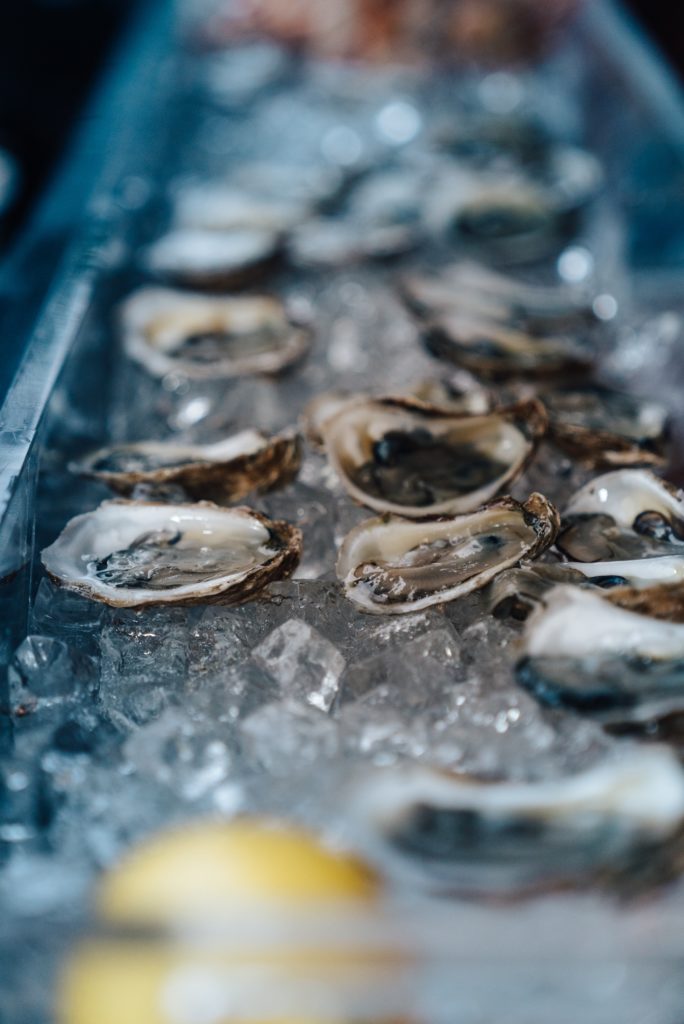
Now, if I lost you on seven, I think I can win you back with number eight. The eighth food I recommend is oysters – which are the BEST source for bioavailable zinc. They’re also a great source of selenium and iodine – all very supportive for fertility. I love to recommend oyster date nights as it can be a great way to bond with your partner, and eat some delicious fertility foods together. Win, win!
The ninth food I recommend is fermented foods. Sauerkraut, kimchi, kombucha, kefir, and yogurt all have raw active enzymes and probiotics. Probiotics are great for your gut, digestion, and can reduce inflammation. If you’re new to fermented foods, I recommend starting out with a full-fat yogurt. The other items have more intense flavors, so experiment and go slow.
And the very last food I recommend is bone broth. Bone broth provides a rich source of amino acids, namely glycine which is essential during pregnancy. Bone broth is soothing for the gut, it’s anti-inflammatory and can help increase your protein intake.
So there you have it, my top 10 fertility foods for women trying to conceive. If you liked this article, be sure to share it with a friend or pin it for later! And let me know in the comments, which fertility foods are your favorite!

How to Eat Healthy on a Budget
One of the things I always hear people say is that eating healthy is “too expensive.” I get it, if you think you can only shop at Whole Foods (#wholepaycheck) to eat healthy, or only eat organic, it can seem pretty daunting.
I wanted to share some of my favorite ways to eat healthy while staying on budget, because let’s be real – we might want to spend our money on fancy shoes, or in my case, my next plane ticket 🙂 Here it is, my favorite ways to eat healthy on a budget:
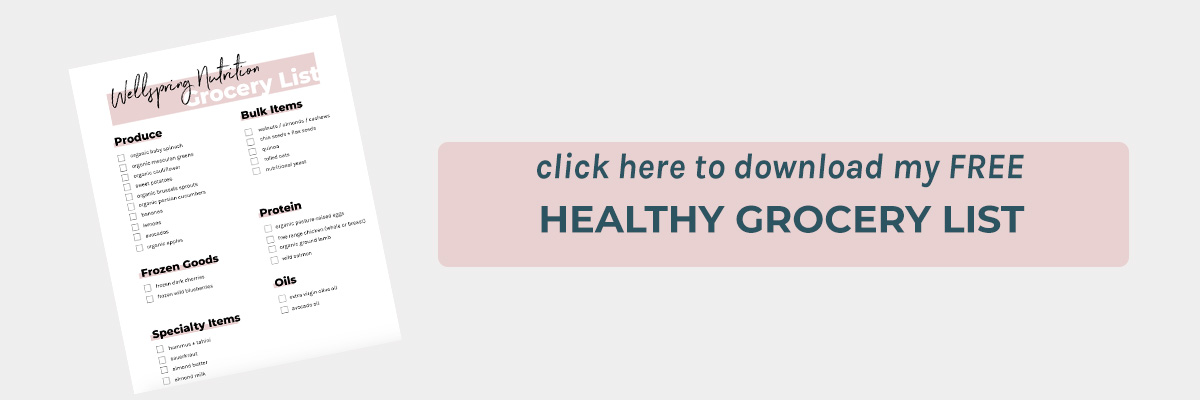
Buy in bulk: if you’re trying to eat healthy on a budget, buying from the bulk section is a great resource. Don’t want to drop $$ on a huge bag of quinoa or almond flour – buy in the bulk section to grab exactly how much you need. This also ensures you’re getting whole grains and legumes without any additives.
Shop on the periphery of the supermarket – its pretty easy to eat healthy when you have a pantry and fridge stocked with healthy foods. The easiest way to do this? Shop on the outside of the supermarket, and you won’t need to even worry with nutrition labels. By sticking to whole fruits and vegetables, good sources of protein, and organic full fat dairy products – you should be good to go! Bonus – if you fill your cart with fruits and vegetables, your bill will likely be much less than buying packaged foods. Sweet!
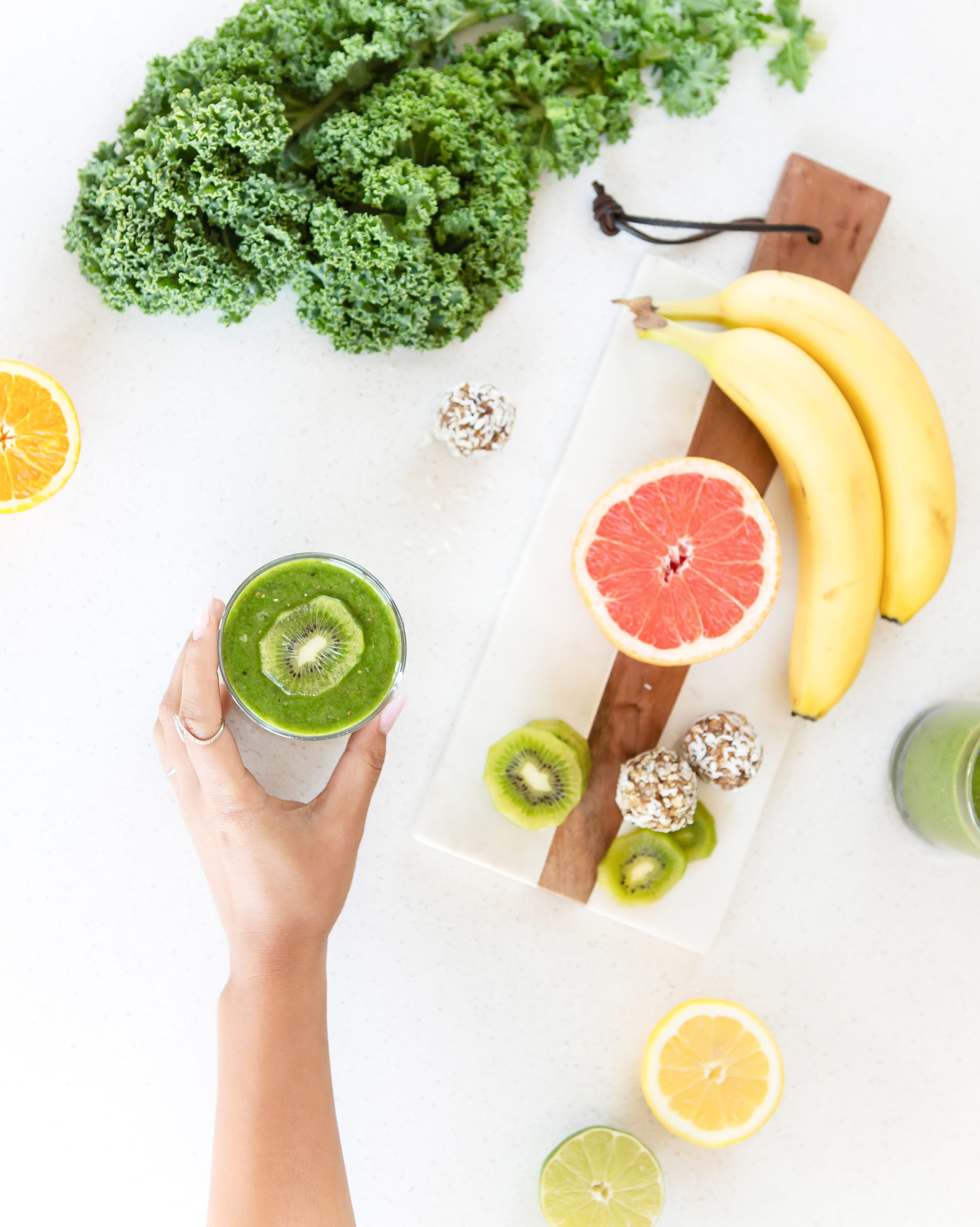
When thinking about how to put together a meal – focus on vegetables first, then add your source of protein (fish, beef, eggs, etc.), and add a healthy fat (nuts, seeds, olive oil, avocado). If I’m looking at a plate, I’ll cover the entire plate with vegetables first like salad greens, roasted vegetables, or crunchy fresh vegetables (get a variety!) and then add my protein and fat. This ensures you’re getting loads of fiber, slow-burning carbs that won’t spike your blood sugar, and protein and fat that help keep you full and satiated. Aim for all of your meals to look like this, or even just start with lunch or dinner in this way. Your body may not be used to all of this fiber at first, but it will get used to it!
Lose the soda, juices, and other calorically dense drinks and stick to water or sparkling water. If this is a huge deal for you, start by reducing it by 1 each day. If you drink 1 soda/day, try drinking 1 every other day instead. Sodas and juice add loads of extra calories and don’t have much to add except sugar. If you’re looking to eat healthier or lose weight, making this switch will be huge for you. It may take some time to adjust, but just take it slowly and don’t beat yourself up over it! I also recommend avoiding diet sodas despite having zero calories. Remember, water is free! You can get it from the tap or invest in a water filter and never pay for soda and juice again. Make the switch to water and never look back 😉
Meal prep!!! I have an entire blog post on how to meal prep like a boss, go check it out! In the meantime, meal prepping is the #1 thing I recommend to all of my clients, and personally use this method to help me reduce stress during the week by having ready-made or almost ready-made meals available that are healthy and delicious. Most importantly, you can save loads of money by actually using up all the food in your fridge and not letting anything go to waste!
Hydrate hydrate hydrate. Start your day with water, and continue to stay hydrated throughout the day by keeping a big reusable water bottle by your side. Try drinking before and after each meal to help remind you, or take a sip of water at the top of every hour. This aids in detoxification in the body, increased metabolism, and weight loss. Don’t overlook this step!
Share meals with friends – have a group of friends that all wants to eat healthier? Try having a weekly potluck! You make less food, but everyone gets to enjoy together! I typically have a potluck meal once a week on Friday nights and it’s my favorite time of the week. Good healthy foods, good friends, and good conversation. What more could you want? 🙂
That’s all for now! If you have more tips on how to ball on a budget, or your favorite ways to save money while still eating healthy, share them below!

This past week I asked my Insta-fam what you all were interested to learn more about, and most of you said morning routines! I’m really happy about that, because creating a mindful morning routine has been one of the best healthy hacks I started in 2018. And it’s no surprise that some of the world’s most successful people attribute having a solid morning routine to their success.
Why Morning Routines Are a Powerful Habit to Keep
Having a morning routine is a habit, and the more you do it, the easier or more intuitive it becomes. If you haven’t read my post on how to create and stick to habits, go check it out first and be sure to grab my free habits tracker while you’re there!
Now, morning routines are not just about waking up, brushing your teeth, drinking coffee, and heading out the door. Because let’s face it, most of us do that any way. This is about going deeper, and being intentional with your morning to set yourself up for success for the rest of the day.
Do you ever have a morning where you’ve snoozed one too many times, jump out of bed in a panic, hastily throw on whatever clothes you see first, and then grab a coffee on your way into work? How do you feel after a morning like that? Most likely frazzled, stressed, and not in a place to be creative and think outside the box.
The idea behind having a mindful morning is that you are calm, focused, and ready for your day by the time you arrive to work. Having time in the morning just for you, allows for time to de-stress and prioritize what is most important.
I’ll share with you my current morning routine, which is pretty tight to be honest because I’m doing my clinical internship at the moment, and I have to be at work by 7am. I’ll also show you my morning routine when I was working from home and would start around 8:45-9am.
Current Morning Routine:
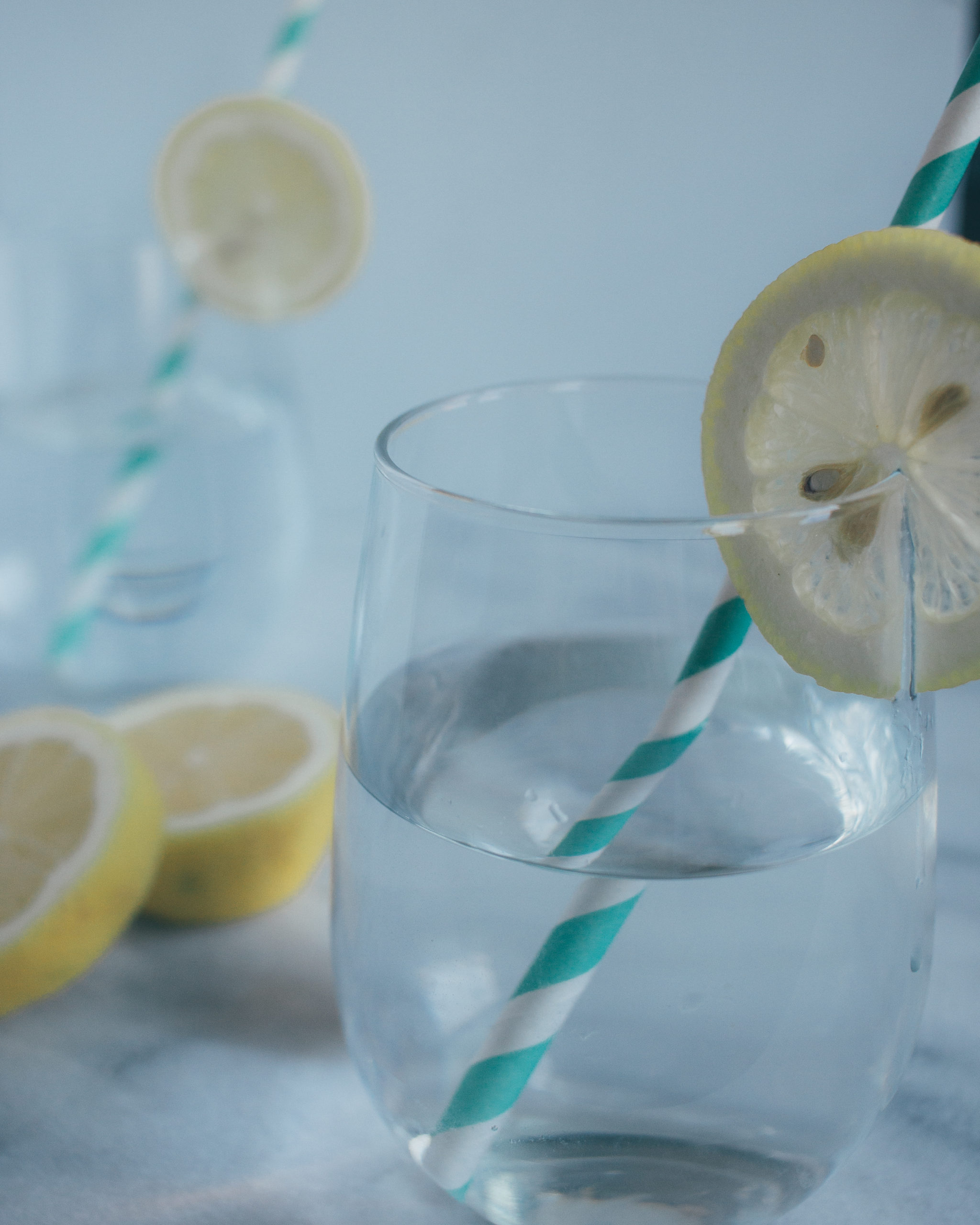
5:30am Wake up using my sunrise alarm clock, turn on the electric kettle to heat some hot water for my lemon water and coffee. Brush teeth, splash face with ice cold water.
5:35 am Make my warm lemon water and protein coffee, bring both drinks back to my room and set my Insight timer for 10 minutes of meditation (I keep my phone on airplane mode in the morning to help minimize distractions from social media)
5:45 am Either write down or say out loud three things I’m grateful for. This helps to set my day off with a positive note.
5:50 am 10 minutes of light yoga and stretching to wake my body up more. I like Yoga with Adrienne’s videos on Youtube
6:00 am Get dressed (clothes are laid out from the night before), put some makeup on, and grab my lunch from the fridge (meals prepped from the night before)
6:15 am Head out the door and start my 45 minute commute to work
Now, this current morning routine is less than ideal for me TBH. But, I am still making sure to get in some meditation, movement, and gratitude journaling in first thing in the morning. I am pretty low-maintenance when it comes to work outfits, makeup, and hair so it really does only take me 15 minutes to get dressed and out the door.
If you need more time for this, make sure to be aware of how much time you truly need to get ready. I also wanted to share my morning routine from a couple months ago, because it was my *absolute* ideal.
Past Mindful Morning Routine:
6:00am Wake up, turn on the electric kettle to heat some hot water for my lemon water and protein coffee. Brush teeth, splash face with ice cold water.
6:05 am Make my warm lemon water and walk over to the living room and set my Insight timer for 10 minutes of meditation, lighting a candle or palo santo.
6:15 am Make my protein coffee, get dressed for the gym, and make my bed.
6:30-7:30am Workout at the gym down the street from my house – mix of strength training and cardio.
7:45am Back home, shower, get dressed for the day, and make breakfast (usually a green smoothie)
8:15am Write out my priorities list for the day as well as fill in my gratitude journal.
8:30am Start working from home!
I think both of these morning routines show you that whether you have 30 minutes or 2 hours in the morning, there is precious time to be taken advantage of. Instead of arriving to work flustered and unfocused, you can arrive having already accomplished some major things.
A good morning routine begins the night before. I will do another separate post about nighttime routines, because this will help set you up for success in the morning!
One of the most important things you can do to have a good morning routine without distractions is to keep your phone on airplane mode in the morning. I don’t turn on my phone on until I get in my car for Google Maps. This eliminates the distraction of checking Instagram or emails right in the morning, which immediately pulls your attention and focus away from the present moment.

Tips for Creating a Mindful Morning Routine:
-Set your alarm for even 10 minutes earlier in the morning. If you can’t seem to find time in the morning, start small. Remember, 5 minutes of meditation is better than none.
-Resist the urge to snooze! I’ll be the first to admit that I struggle with the snooze. But I started saying to myself: “you snooze, you lose” and for some reason it gets me out of bed! Try it and let me know if it works for you too!
-Start with one thing at a time. You know the fastest way to fail at this? Try and do everything at once! Seriously, pick ONE thing and stick with it for at least one week before adding on something else. I always recommend starting with meditation. If you need some inspiration, check out this post on my favorite meditation apps.
-Change with the seasons and don’t be afraid to allow your routine to change! Right now, I’m in a season of intense work. I’m doing my clinical internship to become a Registered Dietitian and the hours are insane. That’s okay. I’ve adjusted my routine to still include just a few of my favorite things and when I’m back to a more relaxed work schedule, I’ll likely shift back into morning workouts and having a slower morning.
-Just do it. Seriously. However many excuses you have, just try out one simple thing like writing down 3 things you’re grateful for, or 5 minutes of mindful breathing. Whatever it is, try it out and stick with it for at least 2 weeks before deciding it’s not for you. And of course, report back and let me know how it goes!
So what do you think? Do you have a morning routine you love, or are you going to try one of the things listed here? Let me know in the comments below so I can hear about your beautiful mindful morning routines!
xo,

Last year I hosted a free 5 day habits challenge in an effort to help my community stick to five easy healthy habits. We focused on drinking enough water throughout the day, meditating daily, eating our greens, getting enough sleep, and exercising. These five habits are things we should all be doing, but often fall short.
Today, I wanted to dive deep into the psychology behind habit formation, and how you can actually start and maintain habits for life. Let’s jump in!
If you’re looking for a few simple ways to boost your metabolism, this will be the perfect blog post for you. I know there’s a ton of nutrition information on the internet (some credible, some not) – but when it comes to metabolism, there’s a few key things you need to know before we dive in to the nitty gritty.
The Preconception Playbook
This free playbook provides specific actionable tips to get started on your fertility journey, as well as what to avoid while you're trying to conceive.

Get the free playbook

