Hormone Health
Resources
Style
Planning
View All


Estrogen is a crucial hormone that significantly impacts health across all genders, but it plays an especially vital role in women. It’s essential for reproductive health, bone density, cardiovascular function, and mood regulation. However, imbalanced estrogen levels—particularly when excessive compared to other hormones—can lead to a range of issues, from weight gain to more severe conditions like breast cancer. This is where estrogen detoxification becomes essential.
Understanding how estrogen is metabolized, why detoxification matters, and how to support your body in maintaining hormonal balance is key. Below, we’ll explore the science of estrogen detox, the factors that can disrupt this process, and actionable steps to promote optimal hormone clearance.
What Is Estrogen Dominance?
Estrogen dominance occurs when there is too much estrogen in the body relative to progesterone. This imbalance can disrupt normal hormonal functions and lead to symptoms such as:
- Irregular menstrual cycles
- PMS (premenstrual syndrome)
- Weight gain, especially around the hips and thighs
- Breast tenderness
- Mood swings, anxiety, or depression
- Low libido
- Fatigue
If left unmanaged, estrogen dominance may contribute to more severe conditions, including:
- Breast, ovarian, and uterine cancers
- Endometriosis
- Polycystic ovary syndrome (PCOS)
- Fibroids
- Insulin resistance
Factors contributing to estrogen dominance include chronic stress, poor liver function, gut dysbiosis, exposure to environmental toxins (xenoestrogens), and diet. These disruptors impair the body’s ability to properly metabolize and clear estrogen, leading to its accumulation in tissues.
How the Body Metabolizes Estrogen
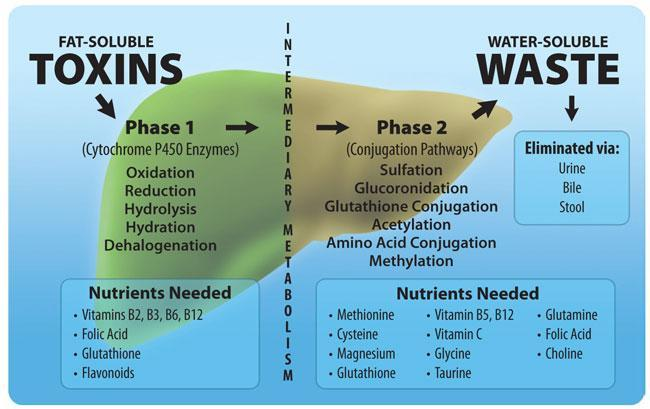
Estrogen detoxification primarily occurs in the liver through three interconnected phases:
Phase 1 Detoxification
In this phase, liver enzymes convert estrogen into three main metabolites:
- 2-hydroxyestrone (2-OH-E1): Protective and beneficial for the body.
- 4-hydroxyestrone (4-OH-E1): Potentially harmful if not detoxified further, as it can damage DNA and promote cancer cell growth.
- 16α-hydroxyestrone (16α-OH-E1): Harmful in excess and linked to increased estrogenic activity.
Phase 2 Detoxification
Here, estrogen metabolites are made water-soluble through conjugation. This step ensures they can be safely excreted via bile or urine. Methylation, a key part of this process, relies on nutrients like B vitamins and magnesium.
Phase 3 DetoxificationIn this final phase, conjugated estrogen is excreted through the gut or kidneys. A healthy gut microbiome is crucial because an enzyme called beta-glucuronidase, produced by gut bacteria, can reactivate conjugated estrogen, allowing it to re-enter circulation.
Why Estrogen Detox Matters
Efficient estrogen detoxification is essential to prevent the harmful effects of estrogen dominance. Improper clearance of estrogen metabolites can:
- Bind to estrogen receptors in tissues, promoting conditions like endometriosis and fibroids.
- Increase cancer risk, particularly estrogen-receptor-positive breast cancer. The metabolite 4-OH-E1 can damage DNA and stimulate cancer cell growth if not detoxified properly.
When estrogen metabolites are not effectively processed and eliminated, they can circulate in the body, amplifying hormonal imbalances. This can exacerbate symptoms of PMS, disrupt menstrual cycles, and lead to inflammation. Additionally, high levels of harmful estrogen metabolites can interfere with other hormonal pathways, contributing to issues like insulin resistance and thyroid dysfunction.
Supporting your body’s ability to produce protective estrogen metabolites (like 2-OH-E1) and ensuring efficient elimination reduces these risks and improves overall hormonal balance. This not only lowers the likelihood of developing hormone-related cancers but also enhances quality of life by alleviating symptoms such as mood swings, bloating, and fatigue.
Factors That Impair Estrogen Detox
Estrogen detoxification is a delicate process that can be easily disrupted by various factors. When any of these factors are present, your body’s ability to clear excess estrogen effectively is compromised, leading to an accumulation of harmful metabolites. This, in turn, can contribute to hormone imbalances and related health issues. Here are the key factors that can hinder estrogen detoxification:
1. Poor Liver Health
The liver is your body’s powerhouse for processing and detoxifying estrogen. It converts estrogen into metabolites that can be safely excreted from the body. However, if your liver is overburdened or not functioning optimally, estrogen metabolism can be slowed down, leading to a buildup of harmful estrogen metabolites.
- Diet Impact: Diets high in alcohol, processed foods, and trans fats can overwhelm the liver, making it less efficient at detoxifying estrogen. These foods create a toxic environment in the body, leading to inflammation and oxidative stress, which interfere with the liver’s detoxification pathways.
- Support for the Liver: To support liver function, focus on a nutrient-dense diet rich in antioxidants, leafy greens, and cruciferous vegetables like broccoli and kale, which promote healthy liver detox processes.
2. Gut Dysbiosis: The Role of Your Microbiome
Did you know that your gut plays a crucial role in estrogen detoxification? An imbalance in the gut microbiome, known as dysbiosis, can significantly impact estrogen metabolism. When the gut is not balanced, harmful bacteria can thrive, leading to an increase in an enzyme called beta-glucuronidase. This enzyme has the ability to reactivate estrogen metabolites that have already been processed by the liver, causing them to re-enter circulation and elevate estrogen levels.
- Gut Health and Estrogen: Conditions like small intestinal bacterial overgrowth (SIBO) can exacerbate gut dysbiosis, further contributing to this reactivation process. A compromised gut microbiome not only disrupts estrogen clearance but can also lead to symptoms like bloating, digestive discomfort, and inflammation.
- Supporting Gut Health: To support your gut health and estrogen detox, incorporate fiber-rich foods into your diet. Fiber helps bind to estrogen in the digestive tract and ensures its safe excretion. Probiotics and prebiotics, found in foods like yogurt, kefir, and fermented vegetables, can also help balance your gut bacteria and reduce beta-glucuronidase activity.
3. Exposure to Xenoestrogens: The Hidden Estrogen Mimics
Xenoestrogens are synthetic compounds that mimic the structure and effects of estrogen in the body. These chemicals are found in many common products, from plastics and pesticides to personal care items like lotions, shampoos, and deodorants. Over time, repeated exposure to xenoestrogens adds to your overall estrogen burden, making it harder for your body to maintain balance and clear excess estrogen effectively.
- Environmental Toxins: These synthetic estrogen mimics can disrupt the body’s natural hormone balance, causing estrogen dominance and increasing the risk of estrogen-related conditions like fibroids, endometriosis, and certain types of breast cancer.
- Reducing Exposure: To minimize exposure to xenoestrogens, choose natural personal care products that are free of parabens and phthalates. Opt for BPA-free plastics or glass containers for food storage, and choose organic produce to reduce pesticide exposure. Small changes like these can help reduce your body’s overall toxic load and support better estrogen detox.
4. Chronic Stress: The Hormonal Balancer Under Siege
Chronic stress is a modern-day epidemic that impacts nearly every aspect of our health, including hormonal balance. When you’re stressed, your body releases cortisol, a hormone that is crucial for managing stress responses. However, prolonged high levels of cortisol can have a negative impact on estrogen detox.
- Cortisol and Estrogen: Elevated cortisol suppresses the production of progesterone, the hormone that works in balance with estrogen. When progesterone levels drop, estrogen dominance is more likely to occur. Additionally, chronic stress can interfere with liver function, impairing the detoxification process even further.
- Stress Management: To manage stress and support hormonal balance, prioritize self-care practices like mindfulness, deep breathing exercises, and yoga. Regular physical activity can also help lower cortisol levels and improve overall hormonal health. Ensuring you get enough sleep is another key factor in managing stress and supporting your body’s detox pathways.
By understanding how these factors impair estrogen detoxification, you can take steps to minimize their impact and support your body’s ability to metabolize and eliminate estrogen effectively. A balanced diet, healthy gut, stress management, and minimizing exposure to environmental toxins are all important actions that can help optimize estrogen clearance and promote overall hormonal health.
How to Support Estrogen Detox
The good news is that you can take proactive steps to enhance your body’s estrogen detoxification process. Here are key strategies:
1. Prioritize Liver Health
The liver plays a central role in estrogen metabolism. To support liver function:
- Eat cruciferous vegetables: Broccoli, cauliflower, kale, and Brussels sprouts are rich in indole-3-carbinol (I3C) and sulforaphane, which promote protective estrogen metabolism.
- Increase antioxidants: Foods like berries, green tea, and turmeric combat oxidative stress and support liver enzymes.
- Support methylation: Consume foods high in B vitamins (leafy greens, eggs, and legumes) and magnesium to aid conjugation in phase 2 detox.
- Limit alcohol intake: Alcohol burdens the liver and disrupts estrogen detox.
- Use liver-supportive herbs: Milk thistle and dandelion root enhance liver function.
2. Optimize Gut Health
A healthy gut is essential for proper estrogen clearance:
- Consume fiber-rich foods: Fiber binds to estrogen in the gut, promoting excretion. Aim for 25-30 grams daily from vegetables, fruits, legumes, and whole grains.
- Take probiotics: Strains like Lactobacillus and Bifidobacterium reduce beta-glucuronidase activity and improve gut health.
- Avoid inflammatory foods: Limit processed foods, sugar, and artificial additives.
- Stay hydrated: Adequate water intake supports bowel regularity and estrogen elimination.
3. Manage Stress
Chronic stress disrupts hormonal balance. To manage stress:
- Practice mindfulness techniques like meditation or yoga.
- Prioritize sleep: Aim for 7-9 hours of quality rest.
- Engage in regular exercise: Physical activity reduces cortisol and supports estrogen metabolism.
4. Limit Exposure to Xenoestrogens
Minimize environmental toxin exposure by:
- Using natural personal care products free of parabens and phthalates.
- Avoiding plastic containers: Opt for glass or stainless steel for food storage.
- Choosing organic produce: Reduce pesticide exposure.
5. Consider Supplements
Certain supplements can enhance estrogen detox, but consult a healthcare provider before starting any new regimen. Common options include:
- DIM (diindolylmethane): Supports protective estrogen metabolism.
- Calcium-D-Glucarate: Reduces beta-glucuronidase activity, preventing estrogen reabsorption.
- Milk Thistle: Promotes liver function and detoxification.
- Probiotics: Help balance gut bacteria for efficient estrogen clearance.
The Bigger Picture: Estrogen and Breast Cancer
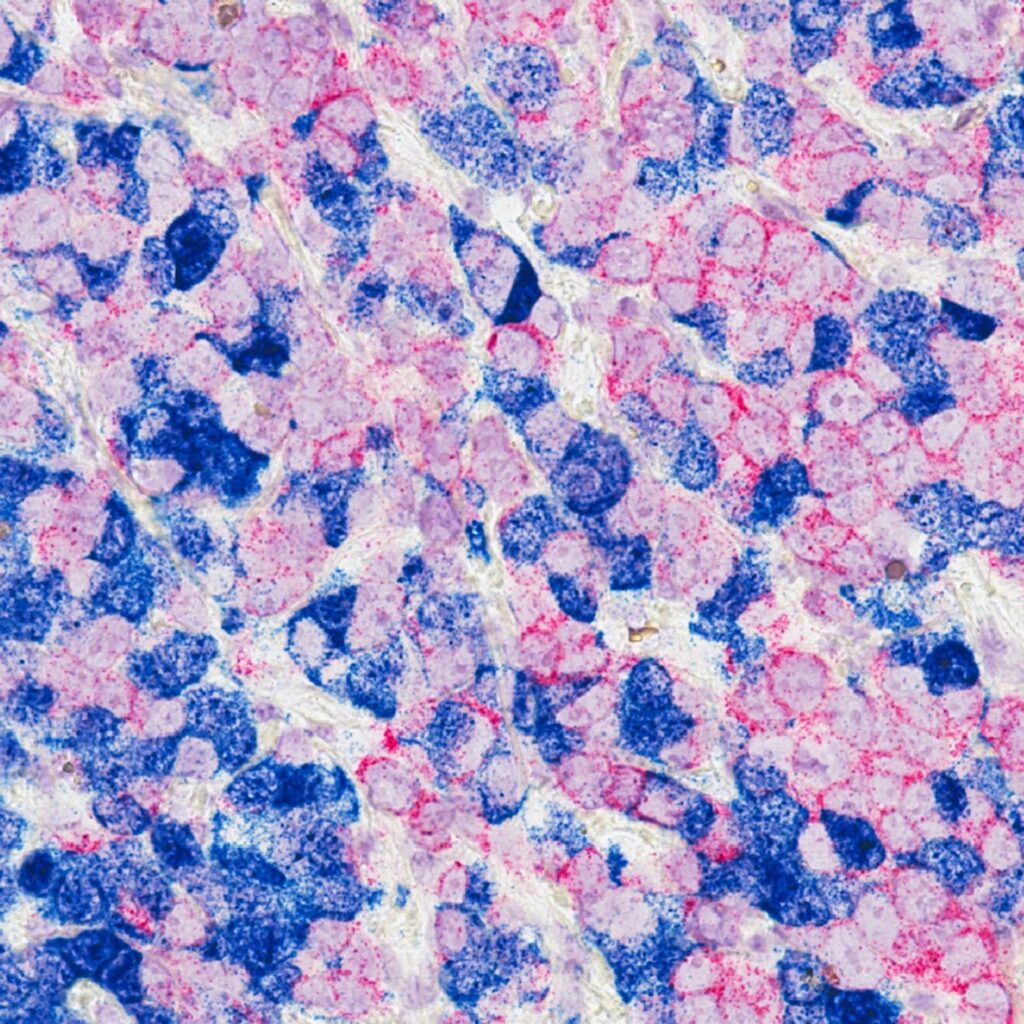
The link between estrogen and breast cancer highlights the importance of efficient hormone clearance. As experts note, it’s not estrogen itself but the balance of its metabolites that determines risk. Shifting your body’s metabolism toward protective pathways while ensuring effective elimination can lower the risk of hormone-related cancers.
Moreover, addressing estrogen dominance isn’t just about reducing disease risk. It’s also about improving quality of life by alleviating symptoms like mood swings, fatigue, and PMS, allowing you to feel more balanced and energized.
Final Thoughts
Estrogen detox is a vital aspect of hormonal health. By supporting your liver, optimizing gut health, managing stress, and reducing exposure to environmental toxins, you can promote efficient estrogen metabolism and lower the risk of hormone-related conditions.
Remember, achieving estrogen balance takes time and consistent effort. If you suspect estrogen dominance or experience related symptoms, consult with a healthcare provider for personalized guidance. Taking proactive steps now can pave the way for a healthier, more balanced future.
Sources
https://drbrighten.com/what-is-estrogen-dominance-what-to-do-about-it/#h-what-is-estrogen-dominance
https://drbrighten.com/estrogen-and-breast-cancer/#h-how-exactly-is-estrogen-linked-to-breast-cancer
https://future-woman.com/the-basics-of-oestrogen-detox/ https://drruscio.com/flush-out-excess-estrogen/
Hormonal fluctuations impact your energy levels, mood, and overall well-being throughout your menstrual cycle. By aligning your diet with these hormonal changes—a practice known as cycle syncing—you can optimize your energy, reduce PMS, and improve overall cycle health. This guide will help you understand the phases of the menstrual cycle and how nutrition can play a vital role in supporting hormonal balance.
Let’s begin by breaking down the menstrual cycle and understanding how your hormones fluctuate during each phase!
Phases of the Menstrual Cycle
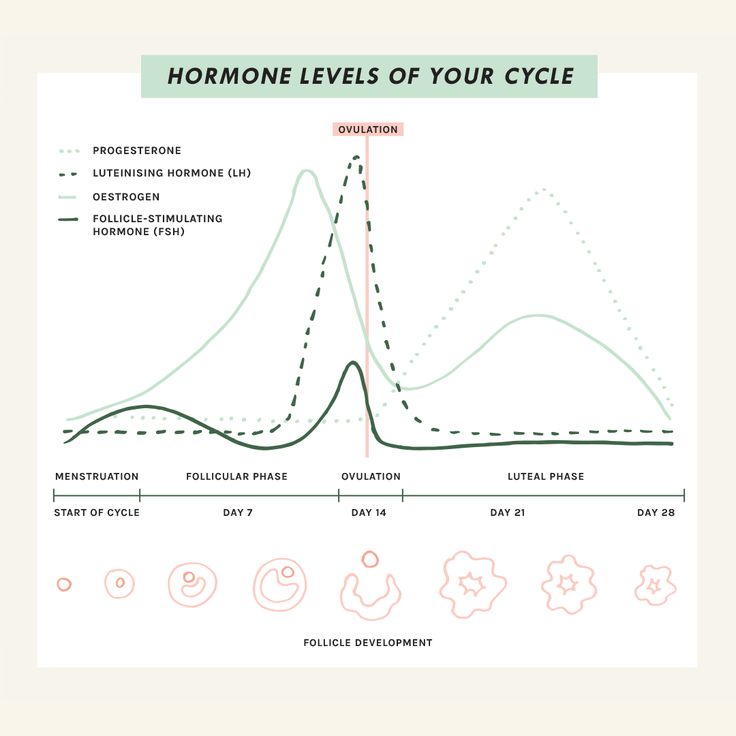
The menstrual cycle has four distinct phases: the menstrual phase, follicular phase, ovulatory phase, and luteal phase. Each phase brings unique hormonal shifts that influence your body’s nutritional needs and energy requirements.
1. Menstrual Phase
(Day 1-6)
- This phase begins with menstruation. Hormone levels of estrogen and progesterone are at their lowest.
- Symptoms may include fatigue, cramping, and low energy levels.
2. Follicular Phase
(Day 7-13)
- Estrogen levels begin to rise, stimulating the growth of follicles in the ovaries and increasing energy.
- This is often when women feel their best, with improved mood and vitality.
3. Ovulatory Phase
(Day 14-16)
- Estrogen peaks, and luteinizing hormone (LH) surges to trigger ovulation.
- Energy levels and libido are typically at their highest.
4. Luteal Phase
(Day 17-28)
- Progesterone rises to prepare the uterus for a potential pregnancy, while estrogen levels dip. If fertilization does not occur, both hormones decrease, leading to PMS symptoms.
- Symptoms may include bloating, fatigue, and cravings.
Understanding these phases allows you to tailor your diet and lifestyle to support your body’s natural rhythms.
How Nutrition Supports Each Phase
Menstrual Phase: Focus on Iron and Hydration
During the menstrual phase, many individuals experience common symptoms such as cramping, fatigue, and irritability. While it may be tempting to indulge in comfort foods like sweets, pizza, and chips, these choices can disrupt hormonal balance and deplete important nutrients needed to support your body during this phase. Instead, focusing on nutrient-dense foods that support iron levels, reduce inflammation, and promote hydration. These all can help alleviate symptoms and maintain overall well-being.
- Foods to prioritize: One of the most important considerations during the menstrual phase is replenishing iron lost through bleeding. Incorporating iron-rich foods like lean red meat, spinach, lentils, beans, and beets can help restore iron levels. To optimize iron absorption, pair these foods with sources of vitamin C, such as citrus fruits, berries, broccoli, and bell peppers. Vitamin C enhances the bioavailability of iron, ensuring that your body can make the most of the iron you consume. Vitamin K is another key nutrient that can help reduce heavy bleeding. Leafy greens, blueberries, cheese, and eggs are excellent sources of vitamin K, which supports blood clotting and helps regulate menstrual flow. Omega-3 fatty acids are also beneficial during this phase, as they have anti-inflammatory properties that can help reduce cramping. Incorporate omega-3-rich foods like salmon, flaxseed, and tree nuts to support your body’s natural processes and ease discomfort.
- Hydration: This is particularly important during the menstrual phase, as it can help reduce bloating and prevent dehydration, which can exacerbate fatigue. Herbal teas such as ginger or chamomile are soothing options that can help alleviate cramps, reduce bloating, and promote relaxation.
- Avoid: Avoid high-sodium foods during your period, as they can exacerbate bloating and lead to water retention. Instead, focus on whole, nutrient-dense foods that provide essential vitamins and minerals, as well as plenty of hydration, to help you feel your best during this time.
Follicular Phase: Build Energy with Nutrient-Dense Foods
As estrogen rises, focus on foods that provide sustained energy and promote gut health. Maintaining gut health is deeply connected to hormonal balance, playing a crucial role in maintaining a healthy menstrual cycle. A well-functioning gut microbiome, particularly the estrobolome, aids in estrogen metabolism, preventing hormonal imbalances that could lead to PMS or heavy periods. Incorporating fiber-rich foods, probiotics, and fermented options can support gut health. These choices not only benefit your cycle but also improve digestion, energy, and mood, contributing to overall well-being!
- Foods to prioritize: Incorporate fiber-rich foods such as quinoa, oats, fresh vegetables, and seeds, which aid in digestion and promote stable blood sugar levels. Fermented foods like kimchi, sauerkraut, and yogurt are excellent choices as they provide beneficial probiotics that support gut health. Omega-3-rich foods like walnuts, chia seeds, and flaxseeds are also important as they have anti-inflammatory properties that can help balance hormones during this phase.
- Key nutrients: Prioritize B vitamins which support energy production and help combat fatigue, and omega-3 fatty acids, which promote overall hormonal balance and reduce inflammation.
- Avoid: It’s crucial to avoid refined sugars, as they can cause blood sugar spikes that disrupt energy levels and hormone regulation.
Ovulatory Phase: Support Detoxification
During the ovulatory phase, estrogen levels peak, and the body enters a high-energy phase, making it important to support both hormonal balance and overall vitality. Since the liver plays a key role in breaking down and detoxifying excess estrogen, it’s crucial to include foods that promote liver function and aid in estrogen metabolism.
- Foods to prioritize: Cruciferous vegetables (broccoli, kale, Brussels sprouts) are excellent choices, as they contain compounds such as sulforaphane that help the liver process estrogen more efficiently. Berries help reduce oxidative stress and inflammation, which can support overall hormonal health. Flaxseeds are also beneficial as they contain lignans that can bind to excess estrogen, helping to regulate levels in the body.
- Key nutrients: Zinc is a key nutrient for supporting ovulation, making it important to include zinc-rich foods like pumpkin seeds, shellfish, and legumes.
- Avoid: It’s important to avoid alcohol and excessive caffeine during this phase. Both substances can burden the liver, slowing down its detoxification processes and potentially causing hormonal imbalances. Drinking plenty of water and consuming foods rich in fiber will further support liver health and overall detoxification.
Luteal Phase: Balance Blood Sugar and Reduce Inflammation
Hormonal fluctuations, particularly increased progesterone, can contribute to common symptoms such as cravings, mood swings, fatigue, and bloating during this phase of your cycle. The key to managing these symptoms is balancing blood sugar levels, reducing inflammation, and nourishing your body with foods that support hormonal balance.
- Foods to prioritize: One effective strategy is to focus on complex carbohydrates, which provide steady energy and help stabilize blood sugar. Foods such as sweet potatoes, whole grains, and high-fiber vegetables, including cruciferous vegetables, can help curb hunger and keep blood sugar levels steady.
- Magnesium-rich foods are also important during this phase, as magnesium has been shown to alleviate PMS symptoms, including mood swings, irritability, and cramps. Magnesium-rich options like dark chocolate, almonds, and pumpkin seeds are excellent choices.
- Anti-inflammatory spices like turmeric and ginger can also be beneficial, as they help reduce inflammation, soothe cramps, and support overall well-being. These spices have natural properties that may help ease discomfort associated with PMS, including bloating and muscle tension.
- Key nutrients: Vitamin B6 is another important nutrient during the luteal phase, as it helps regulate mood and reduce irritability, which can be exacerbated by hormonal changes. Foods such as bananas, poultry, and potatoes are rich in vitamin B6 and can be incorporated into your meals to support emotional well-being during this time.
Avoid: If you’re craving something sweet or salty, opt for healthier alternatives such as dark chocolate, fruit, nuts, and seeds. These foods can satisfy cravings without causing the blood sugar spikes and crashes that processed snacks can induce. Additionally, staying hydrated is crucial during the luteal phase, as water helps reduce bloating, brain fog, and PMS-related discomfort.

Seed Cycling for Hormonal Balance
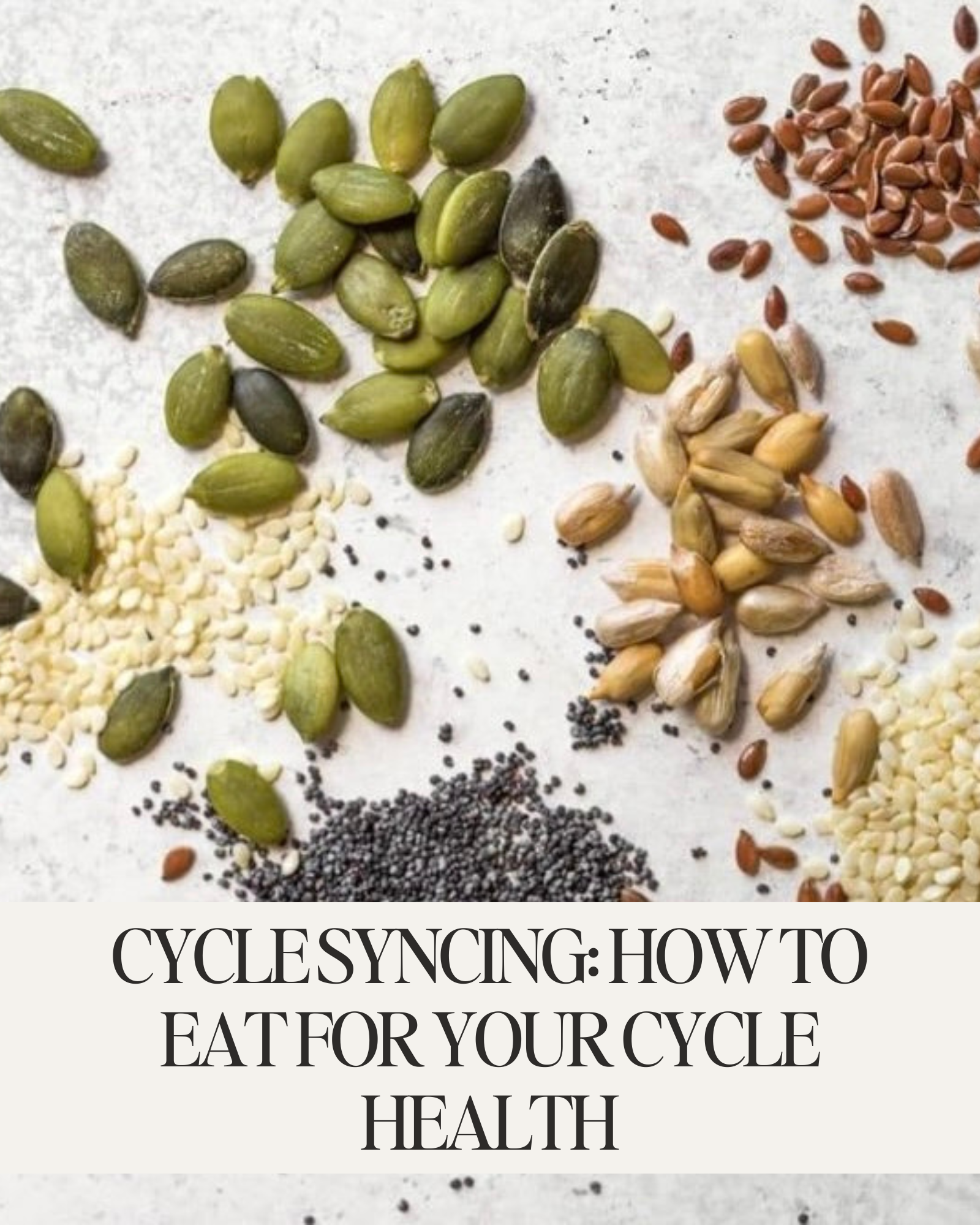
Seed cycling is a holistic dietary practice that involves eating specific seeds at different phases of the menstrual cycle to support hormone balance. The idea behind seed cycling is that different phases of the menstrual cycle require different hormone support, and specific seeds contain the nutrients necessary for this. This method is particularly beneficial for regulating irregular cycles and managing PMS symptoms.
Follicular Phase (Day 1-14)
During the follicular phase, estrogen is the dominant hormone. The goal is to support estrogen production and metabolism. The recommended seeds for this phase are raw, freshly ground flaxseeds and pumpkin seeds. Flaxseeds are rich in lignans, which have weak estrogenic properties and support elimination. Pumpkin seeds, on the other hand, provide zinc, an essential mineral for testosterone production and healthy hormone levels.
- Seeds: Flaxseeds and pumpkin seeds
- Benefits: Flaxseeds contain lignans that help balance estrogen levels. Pumpkin seeds provide zinc to support progesterone production later in the cycle.
Luteal Phase (Day 15-28)
After ovulation, progesterone becomes the dominant hormone. To support this, the recommended seeds are raw, freshly ground sunflower seeds and sesame seeds. Sunflower seeds are rich in vitamin E, which helps reduce PMS symptoms and supports estrogen detoxification. Sesame seeds are high in lignans and fatty acids, which help balance progesterone and reduce inflammation.
- Seeds: Sesame seeds and sunflower seeds
- Benefits: Sesame seeds contain lignans to modulate estrogen, and sunflower seeds provide selenium to support liver detoxification.
Can Seed Cycling Be Used Mid-Cycle? Yes, seed cycling can be started at any point in the cycle, depending on where you are in your menstrual phase. If you’re tracking your cycle closely, you can adjust your seed rotation accordingly to match your ovulation timing.
Seed Cycling’s Nutritional Basis The seeds used in seed cycling are rich in essential nutrients that support hormone production, including omega-3 fatty acids, zinc, magnesium, and antioxidants. These nutrients help optimize hormone balance by supporting estrogen and progesterone levels, promoting healthy testosterone levels, and reducing inflammation, which can lead to hormonal imbalances.
Seed Cycling Science Although the term “seed cycling” itself is not widely researched in scientific literature, the individual nutrients in the seeds have been extensively studied for their health benefits. For example, lignans in flaxseeds have been linked to improved estrogen and progesterone balance, and the zinc in pumpkin seeds supports testosterone production. Research has also shown that these seeds can benefit cardiovascular health, gut health, and even cancer prevention.
Does Seed Cycling Really Work? While more research is needed to fully validate seed cycling as a hormone-balancing practice, many women have reported positive changes in their menstrual health, including improved hormone balance, reduced PMS symptoms, and better skin health. The key is consistency and combining seed cycling with other healthy lifestyle practices, such as a balanced diet, adequate sleep, and stress management.
Additional Benefits of Seed Cycling
- For Menopause: Seed cycling can be continued post-menopause by aligning the seed rotation with the moon cycle. This can help manage symptoms like hot flashes and mood swings.
- For PCOS: Seed cycling can help balance testosterone and estrogen levels in women with PCOS, potentially alleviating symptoms like acne and hirsutism.
- For Acne: Seed cycling may help improve acne by balancing hormones, particularly when coming off hormonal birth control, which can trigger an androgen rebound and worsen acne.
- For Painful Periods: Seed cycling may help reduce period pain by balancing estrogen and progesterone levels and supporting inflammation reduction.
How to Start Seed Cycling To begin seed cycling, it’s recommended to consume 1-2 tablespoons of freshly ground, raw seeds daily. You can add them to smoothies, salads, oatmeal, or even make homemade seed-based snacks! Consistency is key, and it’s best to give the practice at least one full cycle (about a month) to assess its effectiveness.
Exercise and Cycle Syncing
Adjusting your exercise routine to match your cycle phases can optimize performance and reduce hormonal stress.
- Menstrual Phase: Prioritize rest and gentle movements like yoga or walking.
- During your period, light activities like walking, stretching, or gentle movement can help ease discomfort and match your energy levels, especially if you’re dealing with cramps.
- While it’s natural to feel less active on the first day of your period, exercise can actually relieve cramps, boost energy, and improve your mood! Surprisingly, even in the early follicular phase, you might find you can lift heavier weights or handle more intense workouts. The key is to listen to your body and adjust your activity based on how you feel rather than sticking to rigid rules or expectations.
- Follicular Phase: Increase intensity with strength training and cardio as energy levels rise.
- During this phase of your cycle, rising estrogen and testosterone levels can enhance muscle-building potential, making cardio and strength training feel more effective. By as early as day three of your period, you might notice a boost in energy and exercise stamina as estrogen levels continue to climb!
- Ovulatory Phase: Engage in high-intensity workouts like HIIT or running.
- This typically occurs between the end of week two and the start of week three in your cycle and can leave you feeling more energized. During this time, many women notice they can handle higher levels of physical exertion compared to other phases.
- Luteal Phase: Shift to moderate-intensity exercises like Pilates or swimming to accommodate fatigue.
- After ovulation, some women notice a quick drop in exercise tolerance, while others experience this closer to their period. The week before your period can bring challenges like reduced tolerance, trouble cooling down, and water retention, which may affect workouts. Staying hydrated, focusing on electrolytes, wearing breathable clothing, and exercising in a cool space can help. This is a great time to prioritize recovery with activities like yoga or Pilates.
- Increased hunger is normal due to higher calorie needs, especially carbohydrates, as your body becomes less insulin sensitive. You can honor your cravings or increase your intake by 5–10%, choosing what works best for you!
This cyclical approach helps prevent overtraining and supports hormonal balance.
Lifestyle Tips for Cycle Health
- Stress Management: Chronic stress can disrupt hormonal balance. Incorporate mindfulness practices like meditation or journaling.
- Adequate Sleep: Aim for 7-9 hours per night to support hormone production and recovery.
- Track Your Cycle: Use apps or journals to monitor your symptoms and identify patterns.
Conclusion
Cycle syncing empowers you to take control of your health by aligning nutrition, exercise, and lifestyle with your menstrual cycle! By nourishing your body with the right foods at the right time, you can alleviate symptoms, enhance energy levels, and promote overall well-being. Implementing practices like seed cycling and phase-specific exercise further supports hormonal harmony.
Start small and make gradual changes to experience the benefits of cycle syncing. Your body will thank you for it!
Sources
https://pmc.ncbi.nlm.nih.gov/articles/PMC10251302
https://www.ncbi.nlm.nih.gov/search/research-news/17857
https://health.clevelandclinic.org/nutrition-and-exercise-throughout-your-menstrual-cycle
https://drbrighten.com/how-to-exercise-with-your-cycle
https://drbrighten.com/seed-cycling-for-hormone-balance
https://drbrighten.com/seed-cycling-menopausal-hormones
https://drbrighten.com/gut-hormone-connection
Images
Female Cycle https://www.pinterest.com/pin/962222276632847842/
The Preconception Playbook
This free playbook provides specific actionable tips to get started on your fertility journey, as well as what to avoid while you're trying to conceive.

Get the free playbook

