Breakfast
Resources
Style
Planning
View All


If you’ve been diagnosed with Hashimoto’s or recently discovered that your thyroid peroxidase (TPO) antibodies are elevated, you may be wondering what this means for your fertility and whether certain dietary changes could make a difference. One dietary approach that has received increasing attention is eliminating gluten. Some research suggests that following a gluten-free diet may help lower TPO antibodies and improve thyroid function, but how strong is the evidence? And could these changes actually improve fertility outcomes?
In this article, we’ll take a closer look at the relationship between Hashimoto’s, elevated TPO antibodies, and reproductive health. We’ll also explore what the research says about gluten elimination, other nutritional strategies that may help lower thyroid antibodies, and how to determine whether these approaches are worth considering.
When you have high thyroid peroxidase antibody (TPO), that means your immune system produces antibodies that mistakenly attack your thyroid gland. High TPO is often a diagnostic tool for diagnosing Hashimoto’s thyroiditis (underactive thyroid) and Graves disease (overactive thyroid).
Let’s take a look at Hashimotos and how that can affect your fertility…

Your thyroid is an important butterfly-like gland in your neck that releases hormones to regulate your body’s metabolism. It also dictates how fast or slow these hormones are being released. With Hashimoto’s disease, the immune system produces antibodies that target the thyroid gland, causing chronic inflammation. Over time, this can damage the thyroid and reduce its ability to produce hormones, eventually leading to hypothyroidism (when your thyroid isn’t making enough hormones, putting your body on low-power mode). However, some individuals with Hashimoto’s maintain normal thyroid hormone levels.
Here are some symptoms you may have noticed if diagnosed with Hashimoto’s
- Painless goiter: An enlarged thyroid gland that can create a feeling of fullness, tightness, or pressure in the lower neck.
- Difficulty swallowing or hoarseness: Caused by the physical pressure of an enlarged goiter on the esophagus or vocal cords.
- Fatigue and sluggishness: Constant tiredness or feeling “stuck in slow motion”.
- Weight changes: Unexpected or unexplained weight gain.
- Temperature sensitivity: Feeling unusually cold when others are comfortable.
- Mood and cognitive shifts: Depression, low mood, memory problems, or brain fog and difficulty concentrating.
Even if your thyroid hormone levels (like TSH and Free T4) are currently normal, having high TPO can impact reproductive outcomes.
Research suggests that thyroid autoimmunity may be associated with changes in immune regulation and inflammatory processes that could affect the ovarian environment, embryo implantation, and early placental development. However, these mechanisms are still being investigated (1). What we do know is that women with elevated TPO antibodies have been found to have a higher risk of miscarriage, even when their thyroid hormone levels are normal (2).
Fertility specific symptoms
- Anovulation (Lack of Ovulation): Low thyroid levels prompt the brain to produce more TRH. TRH signals the pituitary gland to release higher amounts of prolactin, and elevated prolactin can suppress ovulation.
- Irregular Menstrual Cycles
- Luteal Phase Defects: Resulting in a thin lining that may make successful embryo implantation difficult
Where I can help as your dietitian
For my clients with Hashimoto’s, I recommend discussing celiac disease screening with a healthcare provider and/or evaluating for non-celiac gluten sensitivity. This is because when both conditions co-exist, the clinical evidence supports adopting a gluten-free (GF) diet to lower thyroid antibodies and manage systemic inflammation (4).
Interestingly, research also suggests that a GF diet may help lower TPO antibodies and improve thyroid hormone levels. One small study found significant reductions in TPO antibodies after six months of gluten elimination (5). A larger analysis also found improvements in thyroid hormone levels, with greater reductions in thyroid antibodies among people with coexisting gluten-related conditions (4).
While these findings are promising, the evidence is less convincing for people without gluten-related conditions, as reductions in TPO antibodies have not consistently reached statistical significance (4).
Now you may be wondering….
What if don’t have celiac disease or any sensitivity to gluten? Would a GF diet still benefit me?
This is where the research gets interesting! Currently, there isn’t enough strong clinical evidence to recommend a gluten-free diet for everyone with Hashimoto’s. However, that doesn’t necessarily mean gluten elimination has no potential benefits. Many of the existing studies have small sample sizes, and while some have observed improvements in thyroid antibody levels following a gluten-free diet, the participants in some of these findings already had positive anti-tTG antibodies, which may indicate an underlying gluten-related condition (5).
One interesting theory researchers are exploring is something called molecular mimicry.
Molecular mimicry occurs when the immune system mistakes the body’s own proteins for foreign proteins because they share similar molecular structures. In the context of Hashimoto’s, researchers have proposed that certain gluten-related proteins may resemble proteins found in thyroid tissue.
This could potentially cause the immune system to cross-react with thyroid tissue, contributing to thyroid autoimmunity. A 2024 narrative review explored molecular mimicry as one possible mechanism connecting gluten exposure to autoimmune thyroid disease, alongside changes in gut microbiota and increased intestinal permeability (3). This gives potential biological explanation for why gluten elimination might be beneficial for some individuals with Hashimoto’s, even without a diagnosed gluten-related condition.
.
Keep reading if you’re interested in knowing “How Else Can I Lower My TPO Antibodies?” section for other nutrition strategies that may help support thyroid health.
What is Gluten?

Now, if you’ve been diagnosed with celiac disease or have an established gluten sensitivity and are ready to adopt a gluten-free diet, where do you start? First, let’s talk about what gluten actually is.
Gluten is a group of proteins naturally found in wheat, barley, and rye. It helps foods maintain their structure and elasticity, giving bread and other baked goods their chewy texture.
Gluten can be found in some obvious foods, like bread, pasta, pastries, and cereals, but it can also hide in foods you might not expect, such as sauces, salad dressings, soups, and seasonings.
Here are some naturally gluten-free foods you can enjoy:
- Whole grains and starches: Rice, quinoa, buckwheat, potatoes, and sweet potatoes.
- Fruits and vegetables: All fresh fruits and vegetables!
- Protein sources: Eggs, beans, lentils, fish, poultry, and unprocessed meats.
- Nuts and seeds: Almonds, walnuts, Brazil nuts, chia seeds, and flaxseeds.
- Dairy: Plain milk, yogurt, and cheese, if tolerated.
How else can I lower my TPO Antibodies?
A 2024 systematic review and meta-analysis of 35 randomized controlled trials found that selenium supplementation was associated with a statistically significant reduction in TPO antibodies (6). One clinical study found that supplementation (200mcg daily) reduced TPO antibodies by 9.9% after six months and approximately 21% after 12 months (7).
I would caution on getting a supplement just for selenium because it is very easy to reach excessive intake and lead to selenium toxicity.
Luckily, just one Brazil nut a day can provide more than your daily selenium requirement! Since selenium content varies, I recommend limiting regular consumption to around one nut per day to avoid excessive intake.
Other sources of selenium
- Tuna: 60–100 mcg per serving
- Sardines: 45 mcg per 3 oz
- Cottage Cheese: 20 to 27 mcg per cup
- Sunflower Seeds: 18 mcg per ounce
There’s also some small studies on the effects of aloe vera juice and lowering TPO (8).
A 2018 clinical study investigated the effects of aloe vera juice in 30 women with Hashimoto’s thyroiditis, elevated TPO antibodies, and subclinical hypothyroidism who were not taking thyroid medication. The aloe vera juice they drank was non-pasteurized, Aloin-free non-carbon-filtered, and contained aloe vera pulp
Participants consumed 50 mL of aloe vera juice daily for 9 months, and researchers observed some promising results:
- TPO antibodies decreased by 34% after 3 months and 56% after 9 months.
- TSH decreased by 61% after 9 months.
- Free T4 increased by 23% after 9 months.
The study only included a small number of women, so I’d love to see these findings replicated in larger studies before drawing any firm conclusions about aloe vera juice and thyroid autoimmunity, but super promising!
Another huge thing to note is that oral intake of aloe vera is not recommended during pregnancy, so if you’re trying to conceive, it’s important to be mindful of timing, especially since you may become pregnant before realizing it.

Here’s a free GF breakfast you can incorporate into your routine:
High-Protein Gluten-Free Breakfast Bowl
Prep Time: 10 minutes
Servings: 1
Protein: ~30 g
Ingredients
- 2 large eggs
- ½ cup cottage cheese
- ½ medium avocado, sliced
- 1 cup fresh spinach
- ½ cup cooked sweet potato, cubed
- 1 tsp olive oil
- Salt, black pepper, and garlic powder to taste
Instructions
- Heat olive oil in a skillet over medium heat and sauté spinach until wilted.
- Add the eggs and scramble until fully cooked.
- Add the scrambled eggs, spinach, and cooked sweet potato to a bowl.
- Top with cottage cheese and sliced avocado.
- Season to taste and enjoy!
Why I love this recipe: This breakfast is packed with protein, healthy fats, and nutrients that support thyroid and reproductive health. Eggs provide choline, iodine, and selenium, while sweet potatoes offer fiber and beta-carotene. Avocado adds heart-healthy monounsaturated fats, making this a nourishing and satisfying way to start your morning!
A Final Note on TPO Antibodies and Fertility
If you’re trying to conceive with Hashimoto’s, I want to emphasize that thyroid health involves more than just lowering your antibody levels. While nutritional interventions like selenium and gluten elimination have shown potential benefits in certain populations, we don’t yet know whether lowering TPO antibodies directly improves fertility outcomes.
What we do know is that maintaining appropriate thyroid hormone levels before and during pregnancy is incredibly important. This is why I encourage working with your healthcare team to monitor your thyroid function, address nutrient deficiencies, and develop an individualized nutrition plan that supports your reproductive health.
References
- Pires MI, Póvoa AM, Silva-Soares S. Autoimmune thyroid disease in infertility and assisted reproductive technology: A review. Porto Biomedical Journal. 2025;10(6). https://doi.org/10.1097/j.pbj.0000000000000307
- Thangaratinam S, Tan A, Knox E, Kilby MD, Franklyn J, Coomarasamy A. Association between thyroid autoantibodies and miscarriage and preterm birth: Meta-analysis of evidence. BMJ. 2011;342. https://doi.org/10.1136/bmj.d2616
- Piticchio T, et al. Effect of gluten-free diet on autoimmune thyroiditis progression in patients with no symptoms or histology of celiac disease: A meta-analysis. Frontiers in Endocrinology. 2023;14:1200372. https://pmc.ncbi.nlm.nih.gov/articles/PMC10405818/
- Krysiak R, et al. The effect of gluten-free diet on thyroid autoimmunity in drug-naïve women with Hashimoto’s thyroiditis: A pilot study. Experimental and Clinical Endocrinology & Diabetes. 2019;127(7):417–422. https://pubmed.ncbi.nlm.nih.gov/30060266/
- Esfahani KS, Asri N, Mahmoudi Ghehsareh M, Rezaei-Tavirani M, Jahani-Sherafat S, Rostami-Nejad M. The role of gluten in the development of autoimmune thyroid diseases: A narrative review. International Journal of Endocrinology and Metabolism. 2024;22(3). https://doi.org/10.5812/ijem-153730
- Huwiler VV, et al. Selenium supplementation in patients with Hashimoto thyroiditis: A systematic review and meta-analysis of randomized clinical trials. Thyroid. 2024;34(3):295–313. https://doi.org/10.1089/thy.2023.0556
- Minnetti M, Sada V, Feola T, Giannetta E, Pozza C, Gianfrilli D, Isidori AM, Cozzolino A. Selenium supplementation in pregnant women with autoimmune thyroiditis: A practical approach. Nutrients. 2022;14(11):2234. https://doi.org/10.3390/nu14112234
- Metro D, et al. Marked improvement of thyroid function and autoimmunity by Aloe barbadensis Miller juice in patients with subclinical hypothyroidism. Journal of Clinical & Translational Endocrinology. 2018;11:18–25. https://doi.org/10.1016/j.jcte.2018.01.003

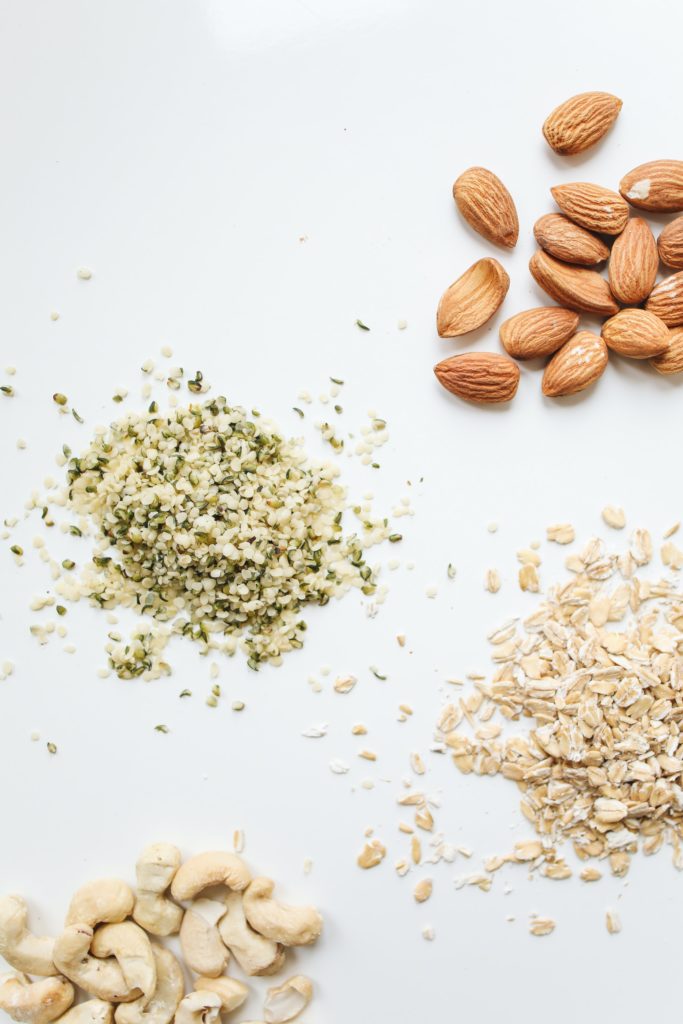
Oatmeal contains high levels of minerals, such as magnesium and zinc, in addition to fiber and B vitamins. This makes it a great food option if you are struggling with PCOS. Oatmeal can be your quick fiber-rich breakfast, an afternoon snack or eaten really anytime of day! The ingredients are minimal, and you probably have them in your pantry already. It’s a win-win.
Which type of oats is best for PCOS?
The less processed it is the better! Instant oatmeal is the most processed form of oats. Then it’s old fashioned oats and lastly steel cut oats. Steel cut oats have a sharper texture than old fashioned oats that some people don’t enjoy. If it’s your preference, old fashioned oats would still be a healthy choice!
Which breakfast is best for PCOS?
The best breakfast for PCOS is well balanced with lean protein, healthy fats, and whole grains/complex carbohydrates. As a bonus you could even add in some veggies, like if you were having a smoothie or eggs.
Examples of lean protein choices for breakfast include:
- Eggs
- Nut butter (peanut, almond, etc.)
- Nuts and seeds (chia seed, ground flaxseed, etc.)
- Greek yogurt
- Leftover fish or chicken — Hey, who says breakfast has to be “breakfast food”? 😉
- Tofu
- Some plant-based milks with protein like Ripple
Healthy fats such as polyunsaturated and monounsaturated fats are also important in helping us to feel full. These fats give us energy to start the day off right! We can get these healthy fats from foods such as salmon, sardines, avocado, nuts (walnuts, pistachios) and seeds (for example chia and ground flaxseeds).
And last but not least, don’t forget the healthy carbs! Most women with PCOS think they have to avoid carbs and this is simply not true. Fruit, whole grains/complex carbohydrates are considered healthy carbs.
Best fruit choices for PCOS:
- Whole, fresh fruit – all kinds!
- Frozen fruit
- Most of the time frozen fruit does not have added sugar. So there is nothing wrong with eating frozen fruit.
- Dried fruit without added sugars
- Double check the nutrition facts label and try to avoid dried fruit with sugar.
- If it does have sugar remember this quick tip: Keep total added sugars under 25 grams per day for women.
Examples of whole grains/complex carbs for breakfast include:
- Whole grain bread or English muffin
- Oatmeal
- High fiber, low sugar cereal
- Low sugar granola
- Plantains/potatoes
Best Oat Recipes For PCOS
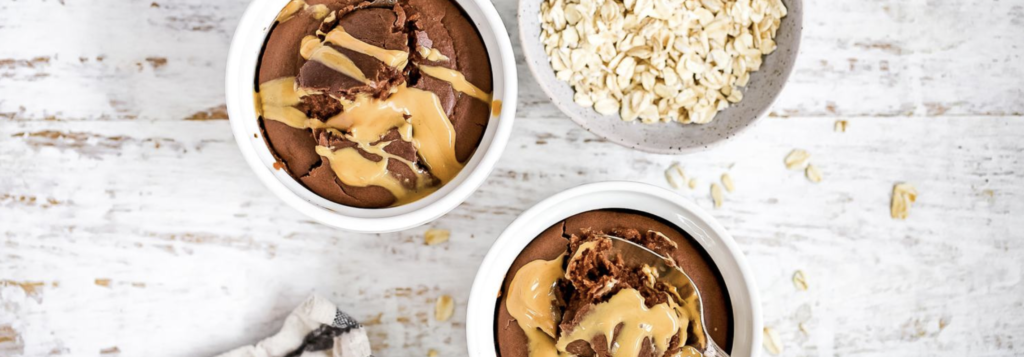
Chocolate Peanut Butter Cup Oatmeal:
1/4 cup rolled oats
1/2 cup unsweetened nut milk
1 tbsp all-natural peanut butter
1 serving chocolate protein powder
2 tsp ground flax seeds
1 tsp chia seeds
sea salt to garnish
Instructions:
Mix oats, flax seeds, chia seeds and nut milk in a bowl.
Microwave for 1-2 minutes
Stir in peanut butter and protein powder.
Top with a sprinkle of sea salt.
Looking for more Support?
Be sure to check out our Free Live Masterclass all about the top 3 ways to naturally enhance your fertility (perfect for those struggling with PCOS and hormone imbalances!)
Immune Boosting Açai Berry Smoothie
Hello friends! I’ve just returned from a 2 week trip to Sydney, Australia with a stop in Southern California on the way back! It was an incredible trip, we got to see the Sydney opera house, visit with friends we have not seen in many years, and pet koalas – seriously, so adorable.
I woke up today jet-lagged and with a little sore throat and knew that I wanted to attack this thing head on: enter this delicious immune boosting smoothie.
This energy boosting green smoothie is my absolute favorite go-to breakfast recipe, and an awesome afternoon snack if you’re looking for some more energy. It combines greens, nutrient dense fruit, and blue-green algae for the ultimate morning boost!

Gluten Free Apple Crisp
I’m usually not one to brag, but I’ll go ahead and say it: this is the BEST gluten free apple crisp out there. Why? I’ve gone ahead and added all the best things about fall right into one dish: local apples, warming spices, crunchy oats, and tangy goat yogurt. Nothing is better for fall than a warm apple crisp, am I right?


Teff Chia Seed Oatmeal with Coconut Yogurt and Cacao
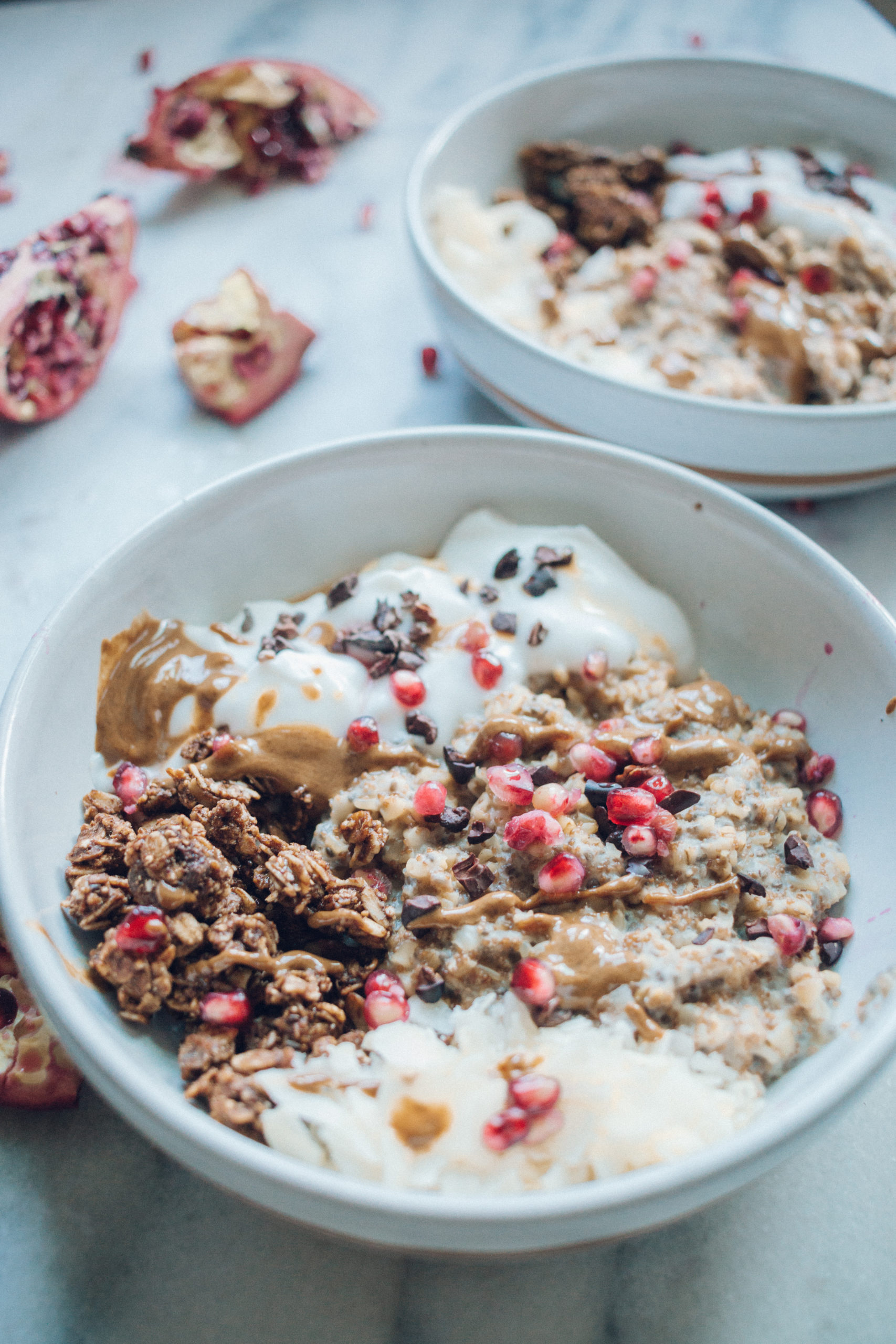
Hi friends! I’m really excited to share this teff oatmeal recipe with you all today because not only does this recipe feel super cozy for fall, but it also is extremely easy to put together. I should know, because aside from taking a billion photos of the recipe, it actually only took 15 minutes for this to come together. Easy, healthy, delicious. DONE.
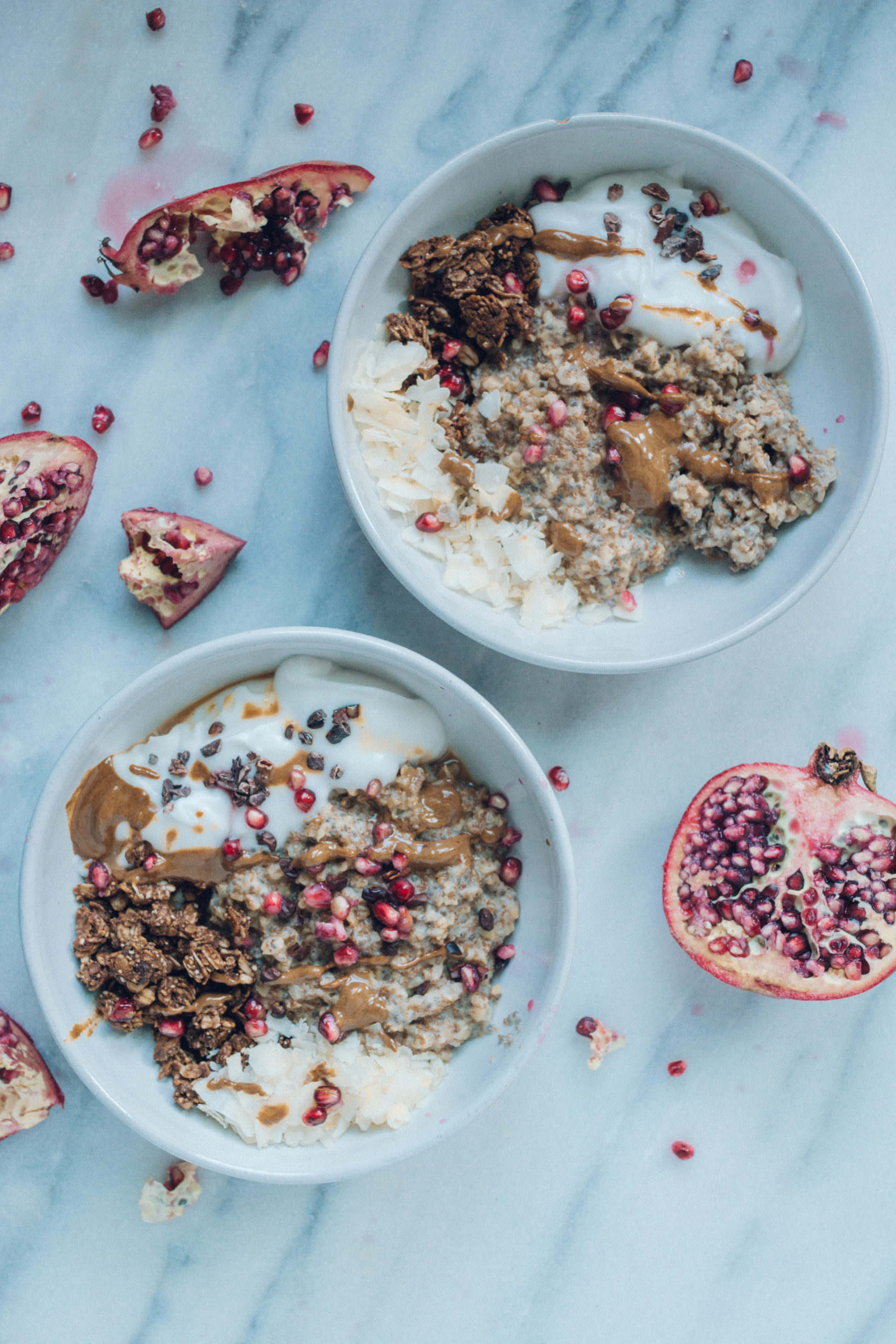
I love that this oatmeal is a little different, because I added chia seeds, which are an excelled source of omega-3 fatty acids and fiber, but also because I added teff. Teff is a pseudo-grain from Ethiopia. If you’ve eaten Ethiopian food, you’ve probably eaten injara, which is a spongy bread made from teff flour, and is traditionally eaten with with the different stews. I’m actually salivating right now just thinking about Ethiopian food!
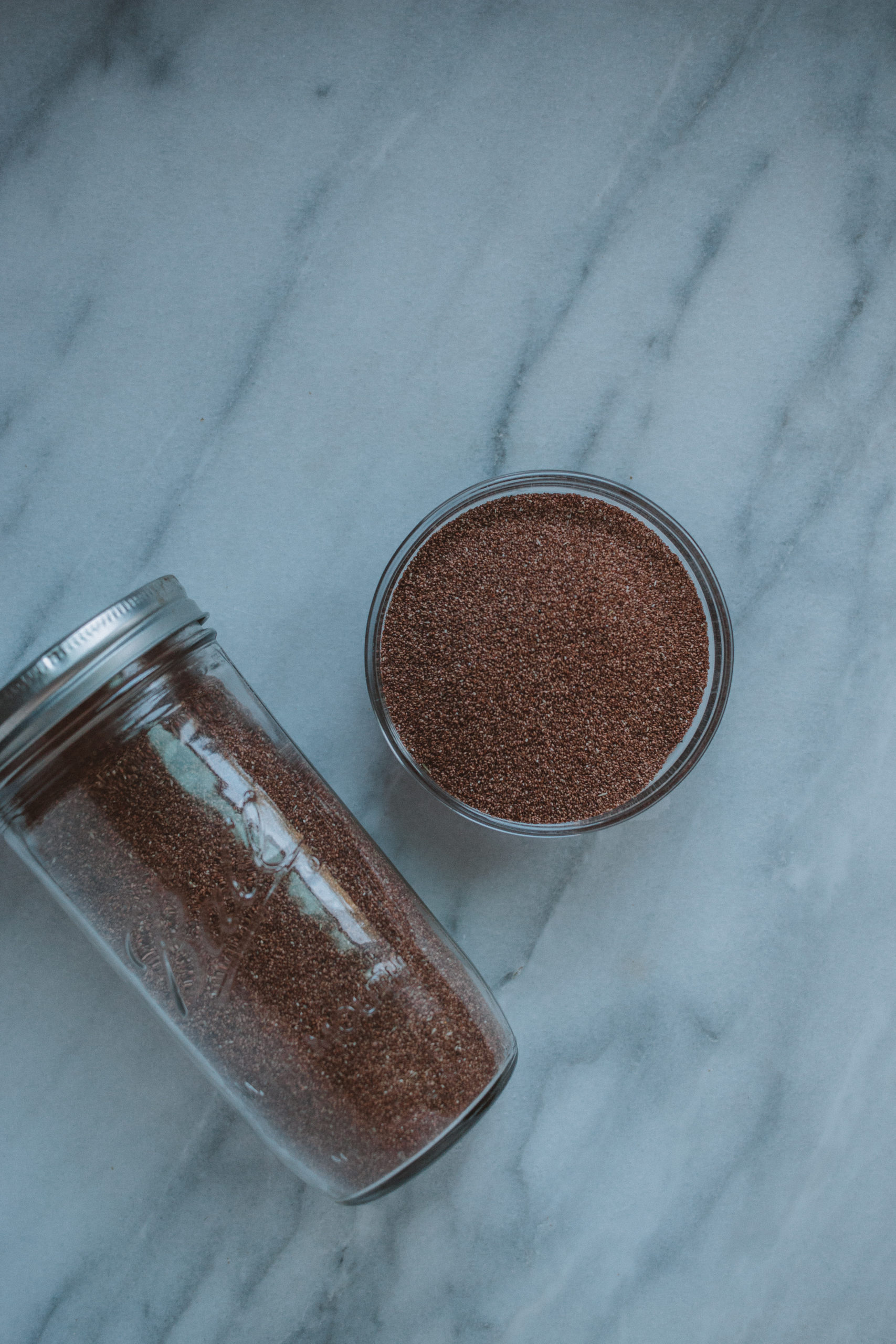
What is Teff?
Teff is awesome because its a gluten-free grain that is very high in protein and fiber, and also a good source of manganese, iron and calcium. One half-cup of teff uncooked has about 354 calories, 12.8 grams of protein, 70.6 grams of carbs, and 7.7 grams of fiber. I love adding even a tablespoon of teff into rice dishes as well, because it adds a different texture, as well as a different variety of nutrients. Teff is full of many B-vitamins, and it’s an awesome way to introduce a variety of whole grains into your diet. The flavor is kind of nutty, which I love, especially combined with oats and chia seeds. Teff is really tiny, so be careful because it can easily go everywhere in the kitchen if you’re not careful! (I may be speaking from experience here…..)
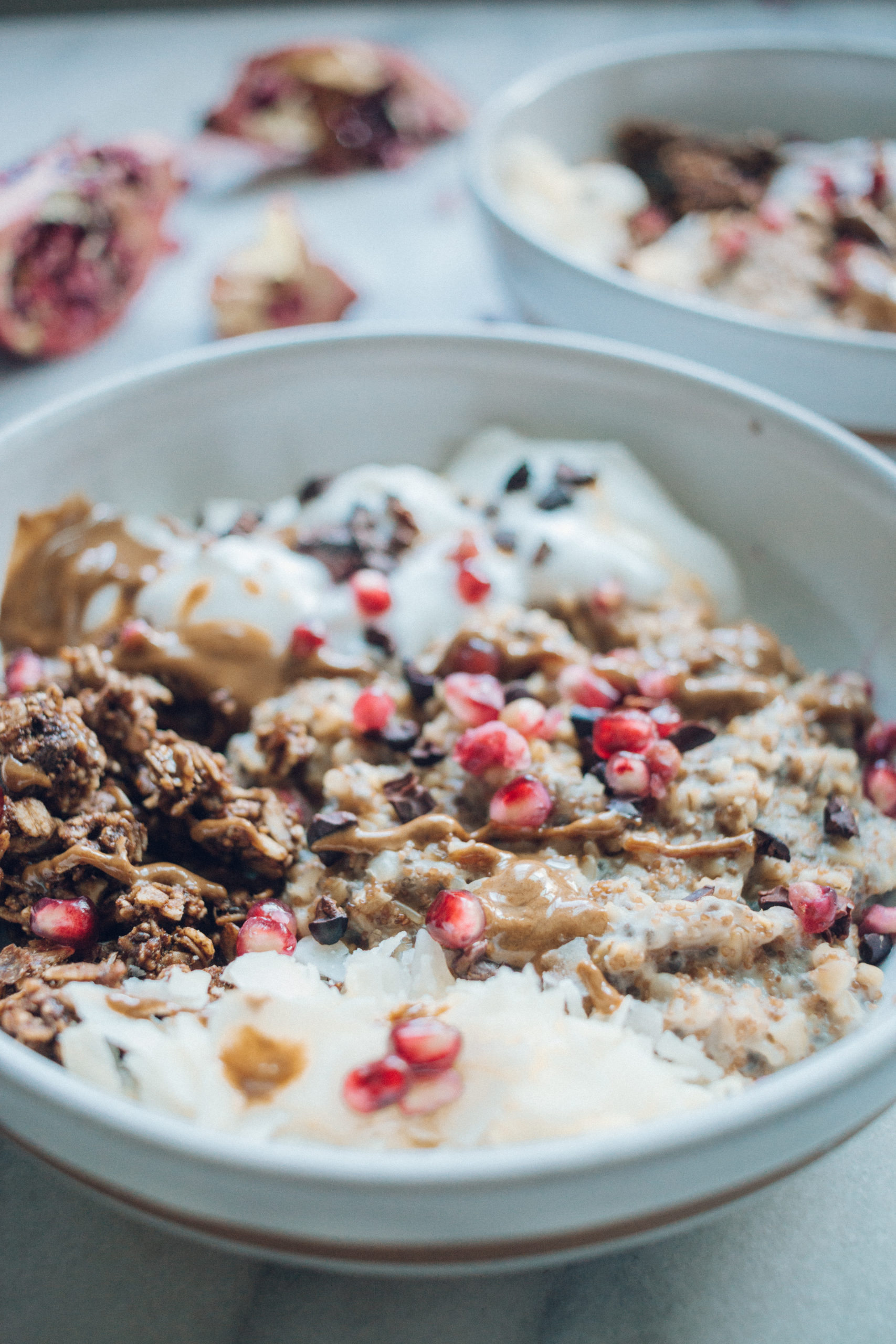
I hope you give this recipe a try, I know you’ll love it! Be sure to tag me on Instagram if you do make it, I love seeing your recipes!
- 1/2 cup Gluten free oats
- 2 tbsp Chia Seeds
- 1/2 cup Teff
- 1 tsp Cinnamon
- 2 cups Almond milk or milk of your choice
- 1 tbsp Cacao nibs
- 2 tbsp Pomegranate seeds
- 1-2 tbsp Almond butter
- 1 tbsp Coconut flakes
- Combine the oats, teff, and chia seeds in a small sauce pan and cover with almond milk.
- Add a dash of cinnamon and a pinch of salt, stir in.
- Bring to a boil and reduce down to low heat until set, making sure to stir every few minutes.
- Add any topics you like such as pomegranate, cacao nibs, almond butter, coconut flakes.
- Serve immediately.
The Preconception Playbook: What to Know Before Your Next Step
Not sure where to start? This free guide walks you through the foundational areas that are most often overlooked - so you can see exactly where the gaps might be and what to address first.
No overwhelm. No 47-item supplement list. Just a clear honest starting point your fertility journey deserves.

Get the free playbook

